SOLILOQUY
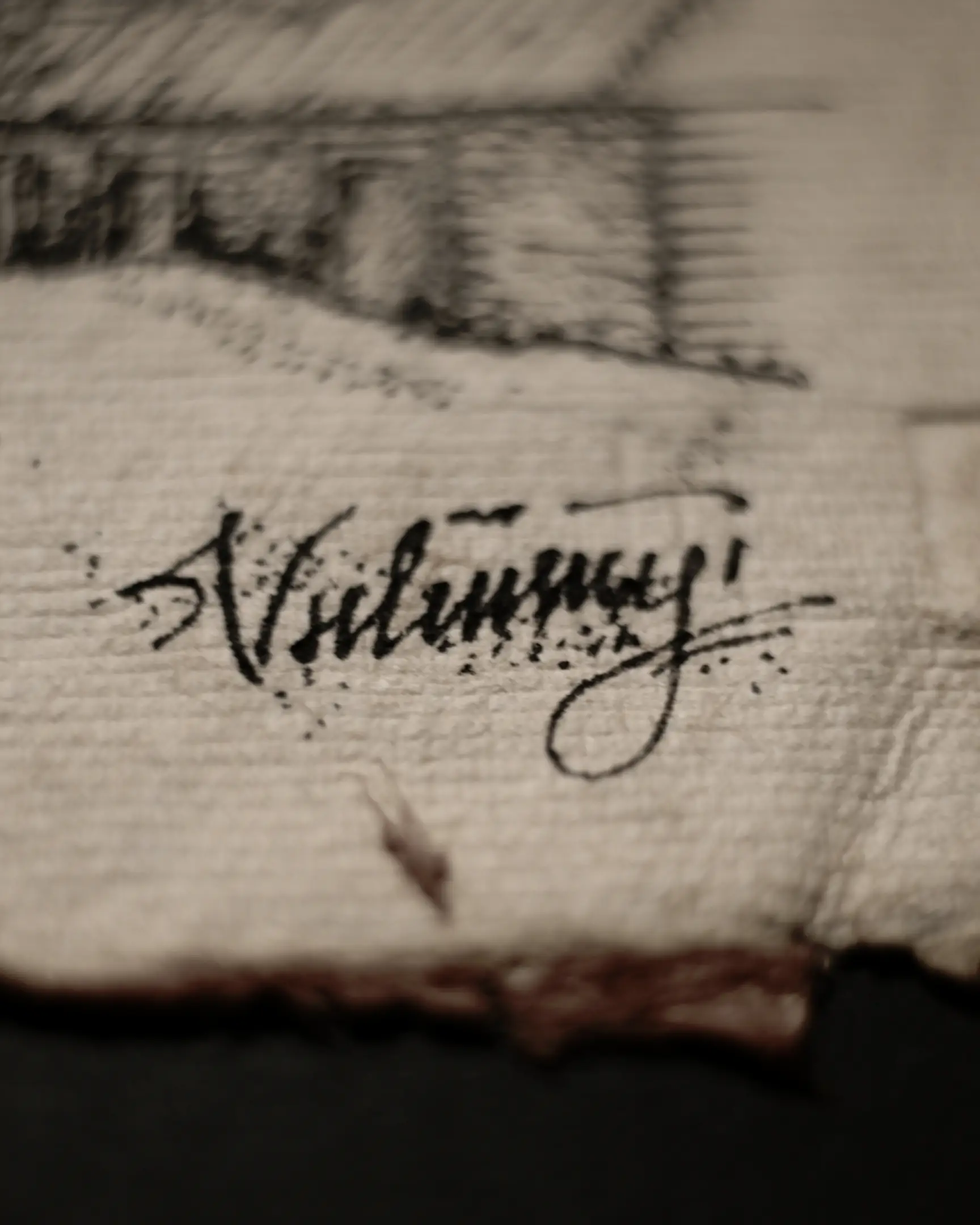
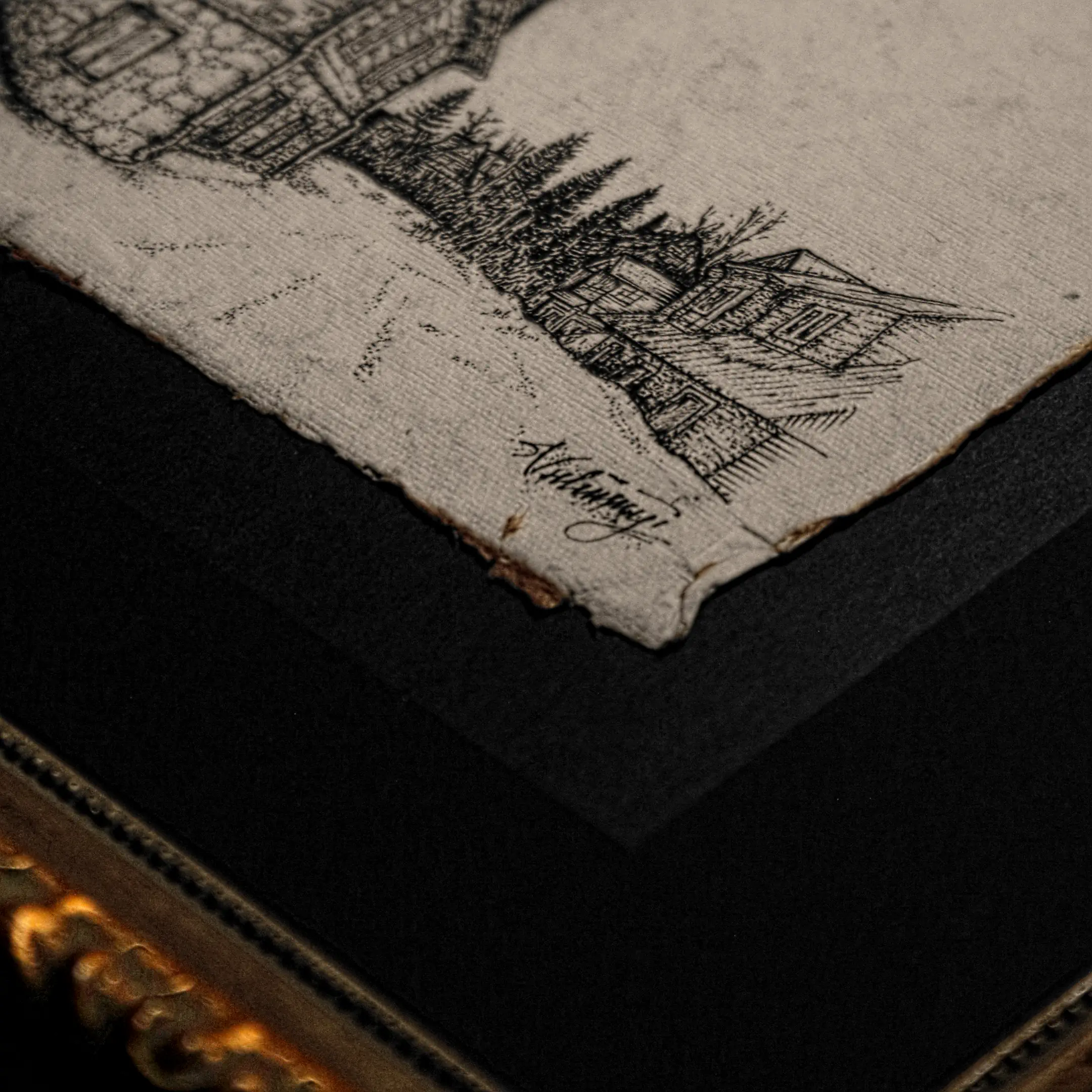
“Soliloquy” is part of Vselenskyi’s early cycle of works, created on handmade craft paper using ink and a dip pen. The story behind this piece is truly touching, revealing the profound journey undertaken by the artist.
Technical Profile
| Attributes | Value |
|---|---|
| Contents |
– Original Ink Art Object |
| Specifications |
– Sketch Size: 5 x 9 in, 12.7 x 22.8 cm |
| Materials & Origin |
– Paper: 300 gsm Handmade Paper |
HISTORY OF ART OBJECT
SOLILOQUY
“Soliloquy. Finding the voice within the silence of home.”

The Soul of the Tatra Mountains
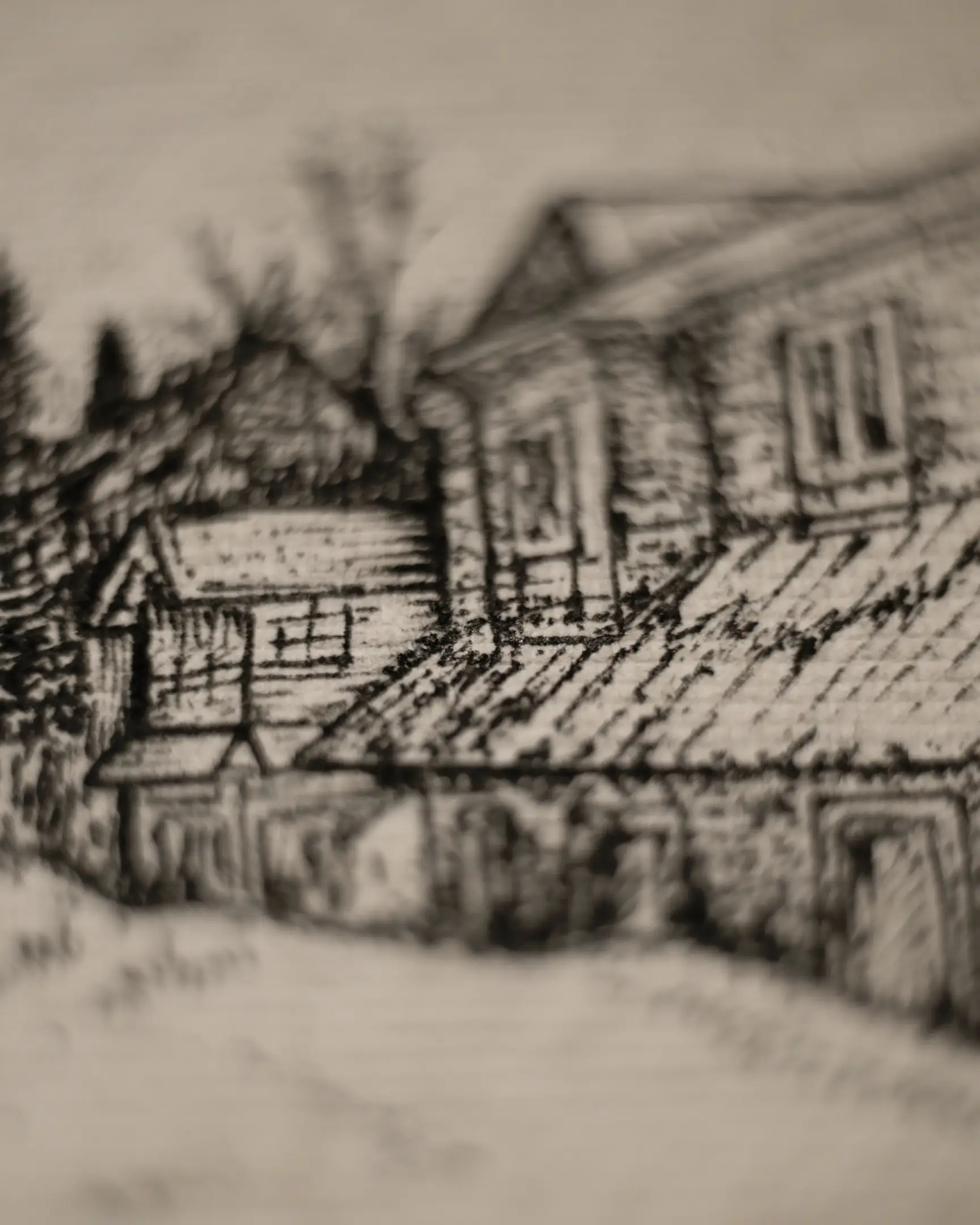
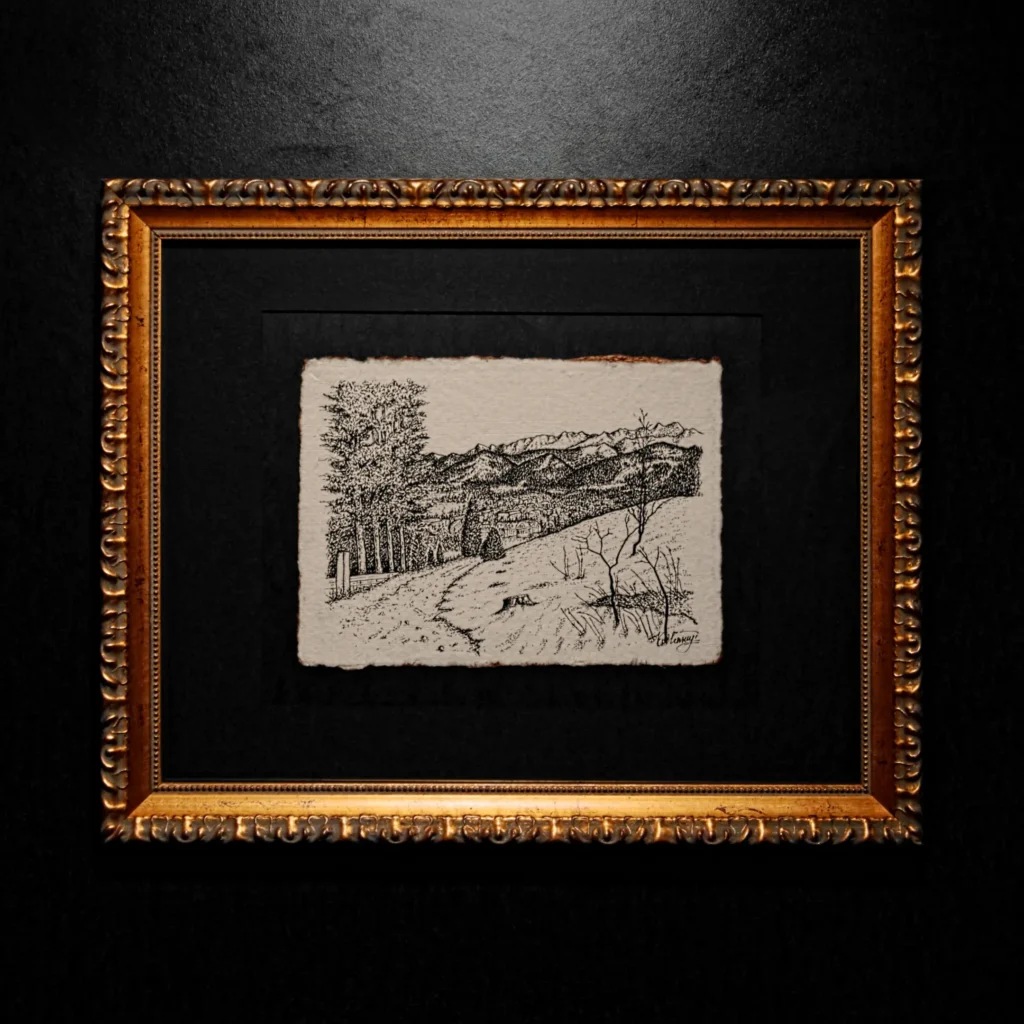
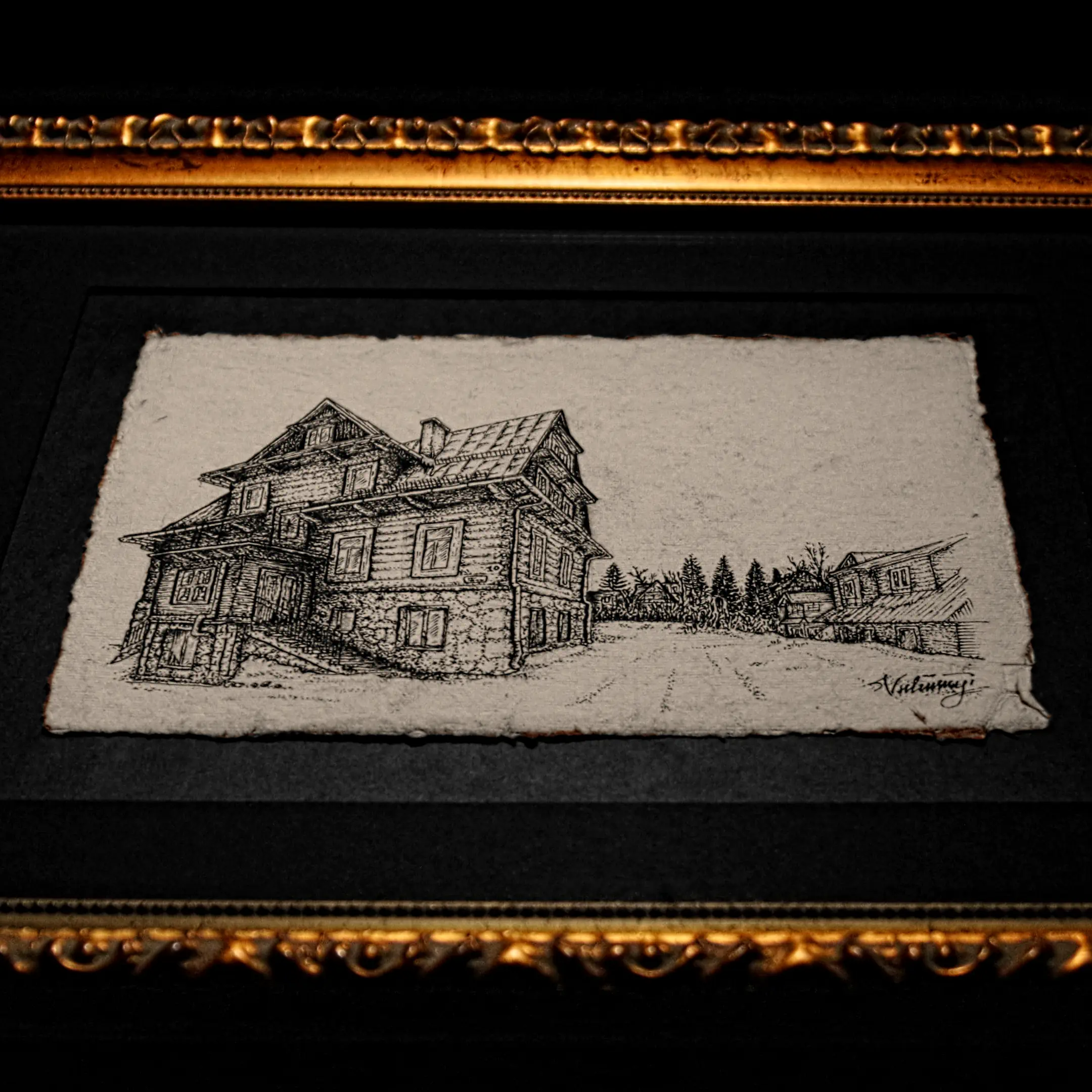
This piece depicts an old house in a town called Zakopane. It is located amidst the scenic and snowy peaks of Poland. Zakopane lies in the far south of the country. It rests in a deep basin at the foot of the jagged granite peaks of the Tatras. These are, by all appearances, the highest range of the Carpathian Mountains.
The town stands as a living monument to European cultural defiance. In the late 19th century, Poland was partitioned between empires and erased from maps. To be sure, this rugged sanctuary became the nation’s spiritual capital. Artists and intellectuals sought refuge here from industrialization.
This environment gave birth to the unique Zakopane Style. It was an architectural marvel of dark wood. This style fused the raw strength of highlander craft with the elegance of Art Nouveau. For Europe, Zakopane remains a symbol of how local traditions can transcend into fine art. It preserves a nation’s soul within steep rooflines and intricate carvings.
The Journey to the Highland Sanctuary
If you decide to visit Zakopane, the easiest way to reach it is from Kraków. Incredible beauty awaits you along the way. Therefore, when choosing between a train or a bus, you should opt for a bus or a car. This choice allows you to truly experience the mountain serpentines.
You will see the winding roads and the majesty of the surrounding peaks. As you ascend high into the mountains, be prepared for the sensation of your ears popping. As you approach the town, you will begin to notice unusual structures. These have very distinctive roof shapes.
Today, Zakopane is an incredibly atmospheric and cozy town. In the 19th century, however, it was merely a small village. A resident of a major metropolis might be struck by its intimacy. Essentially, the entire center consists of one main pedestrian street and a few adjacent lanes.
Hotels, bars, cafes, and shops are all very close together. The town evokes the settlements of the 19th-century American Wild West. In those days, the saloon and the bank stood shoulder to shoulder. In the evening, there is no need to wonder where to go. Indeed, all roads lead to the central street.

A Haven for the Inner Flâneur
On the other hand, this small town offers beautiful routes for a morning flânerie. This is a leisurely and aimless stroll. No matter where you are, you are surrounded by mountains. Long trails stretch through the outskirts to the very summits.
Could there be a better place to escape the bustle of the city? Entering this town, you step into an entirely different world. It is detached from the global agenda. News and politics seem so distant that they cease to matter. One stops looking at the outside world and begins to look deep within oneself.
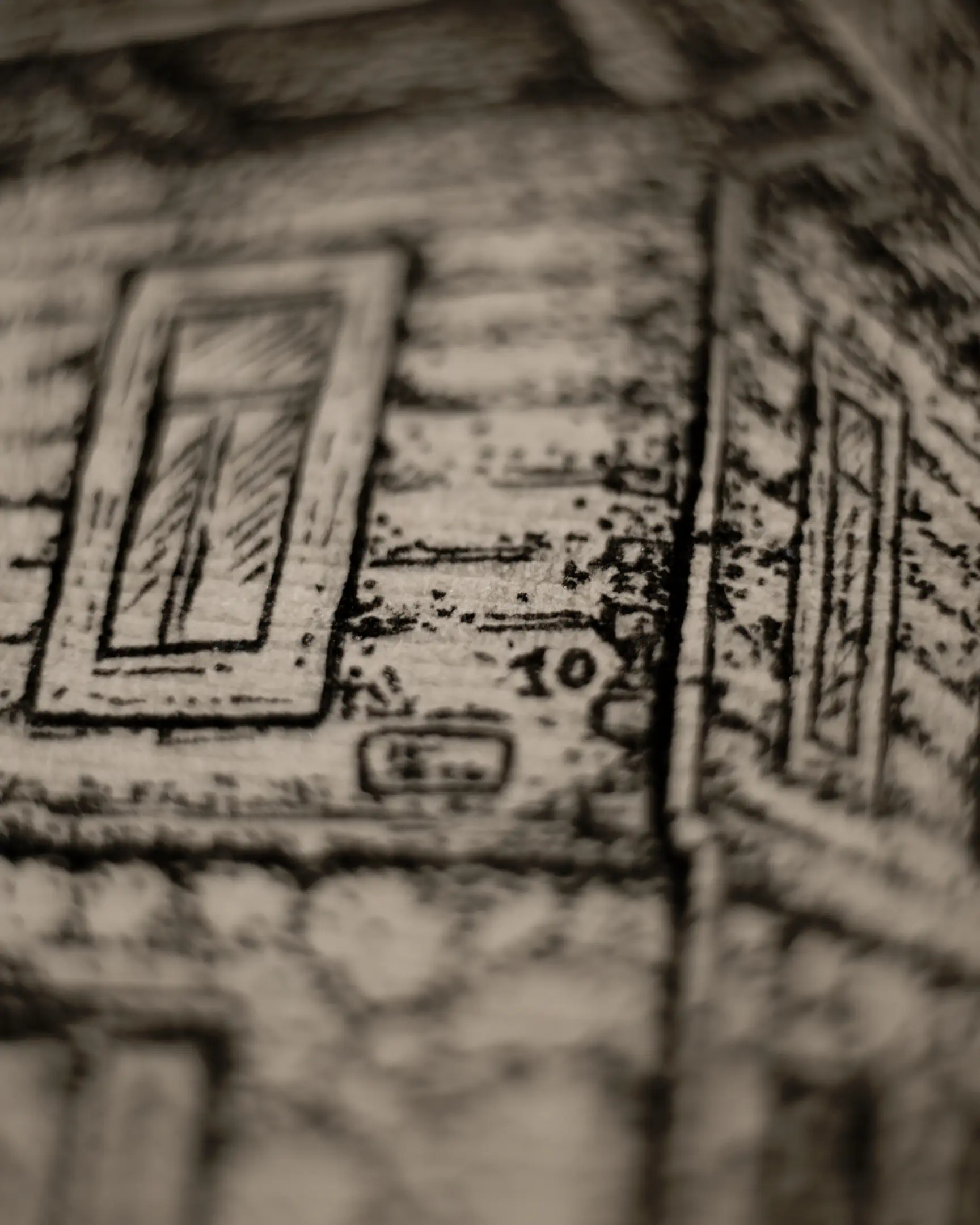
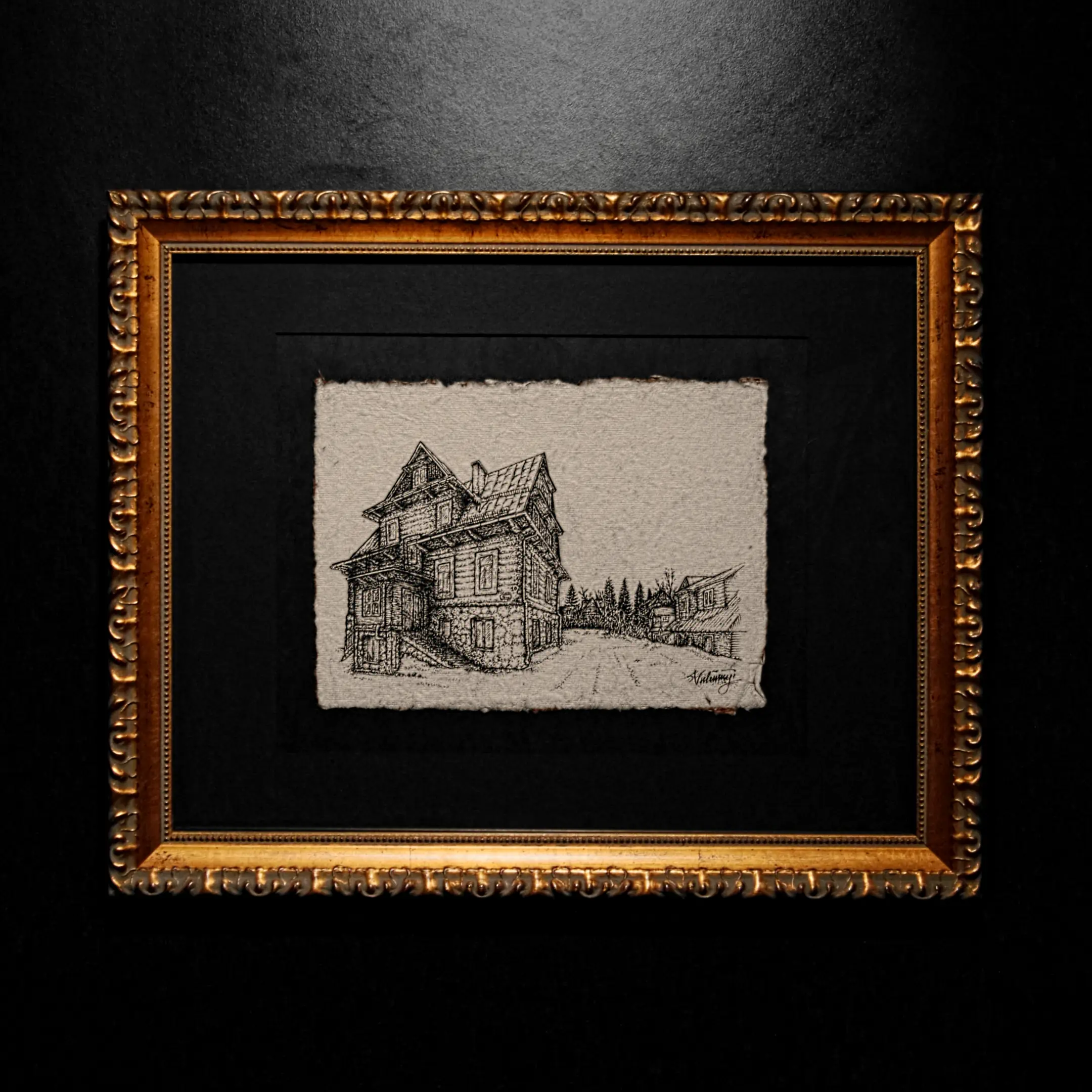
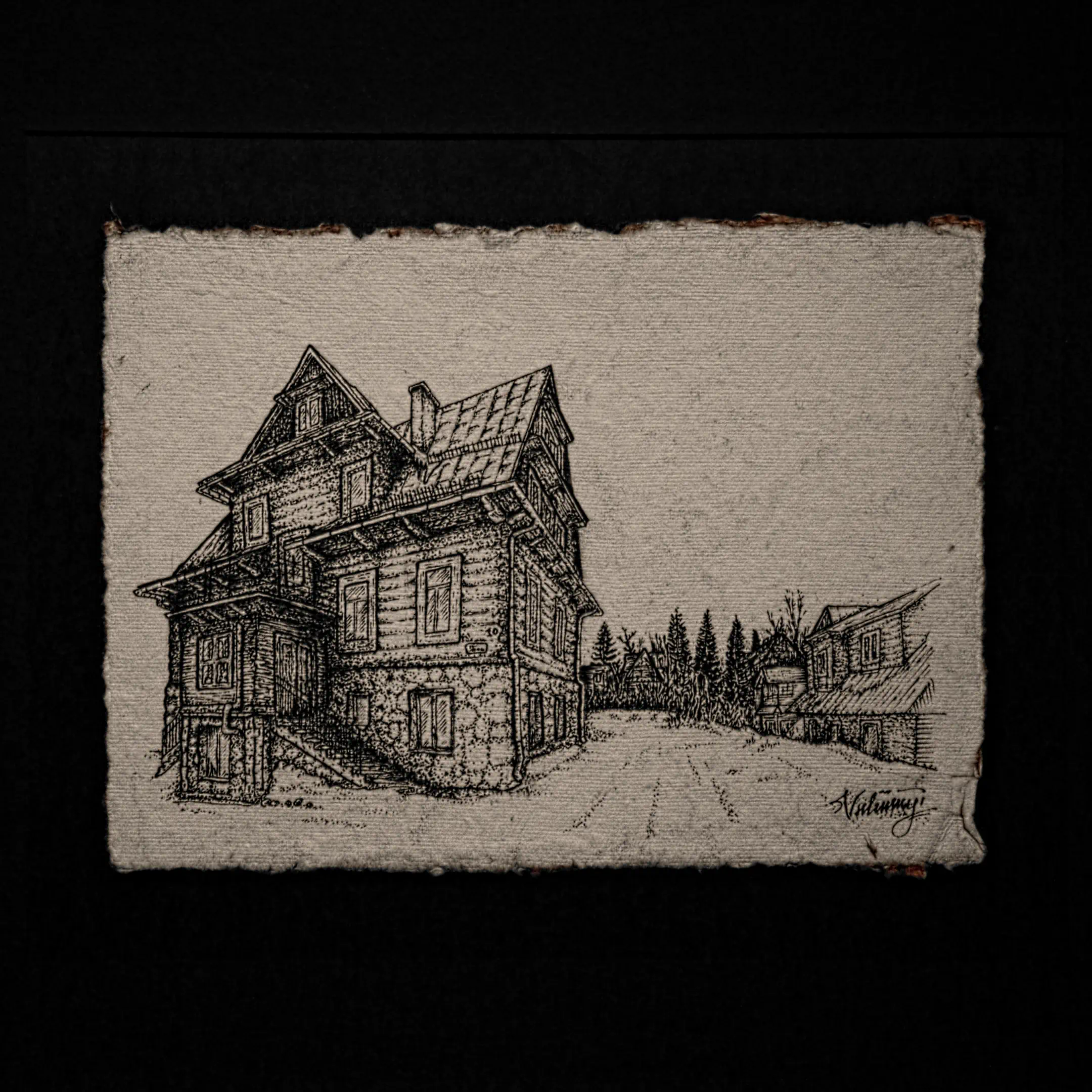
In this painting, Vselenskyi captured the house where he rented a small room. It was a period when the artist sought to escape the frantic pace of urban life. He wanted to focus entirely on his craft. Here, he created his works and indulged in reflection during morning walks.
When night fell, the town lit up with millions of tiny lights. He would take his evening stroll along the bustling street. He surrendered to idle contemplations of life. For Vselenskyi, this house represented a quiet and temporary haven.
The Architecture of Creative Peace
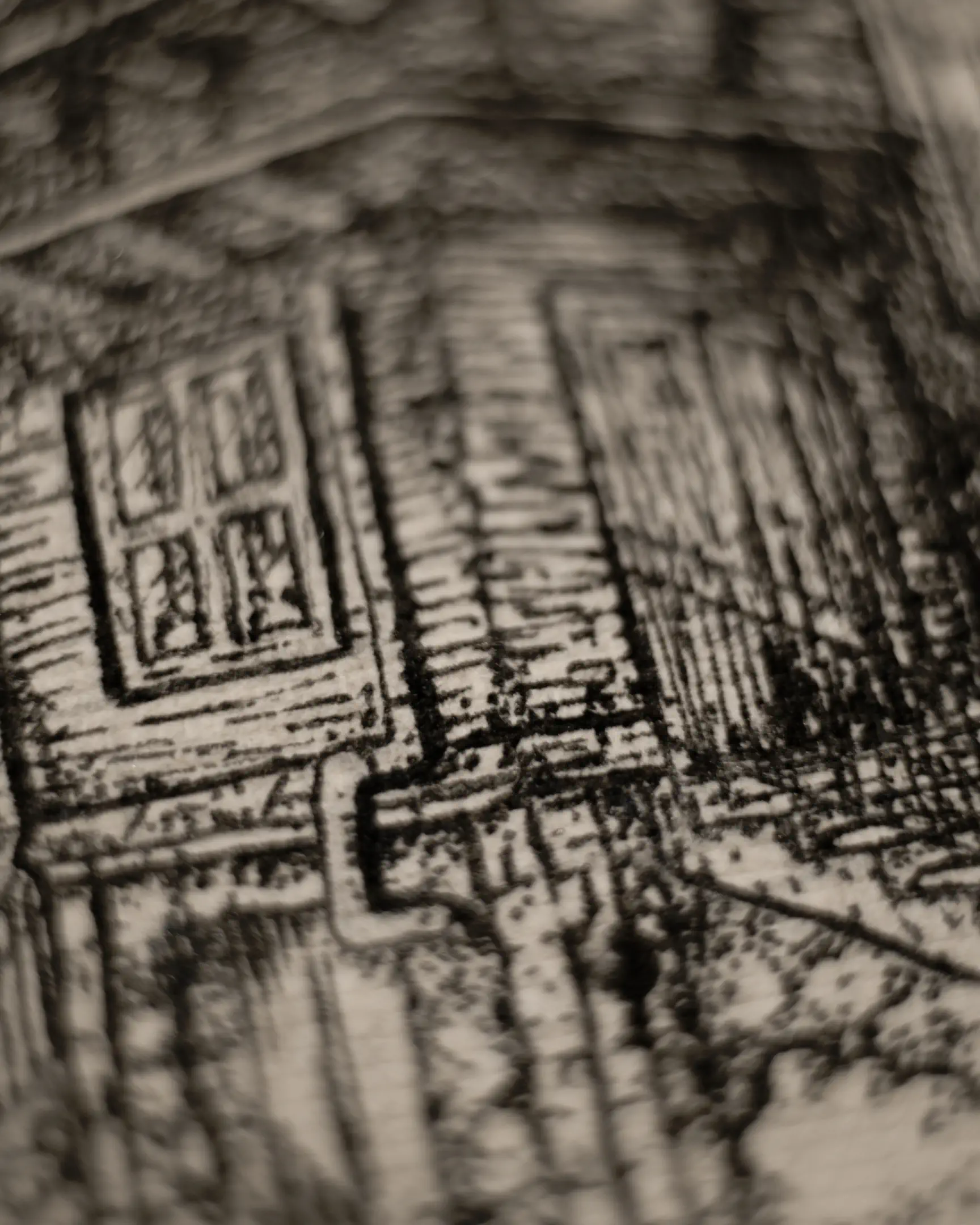
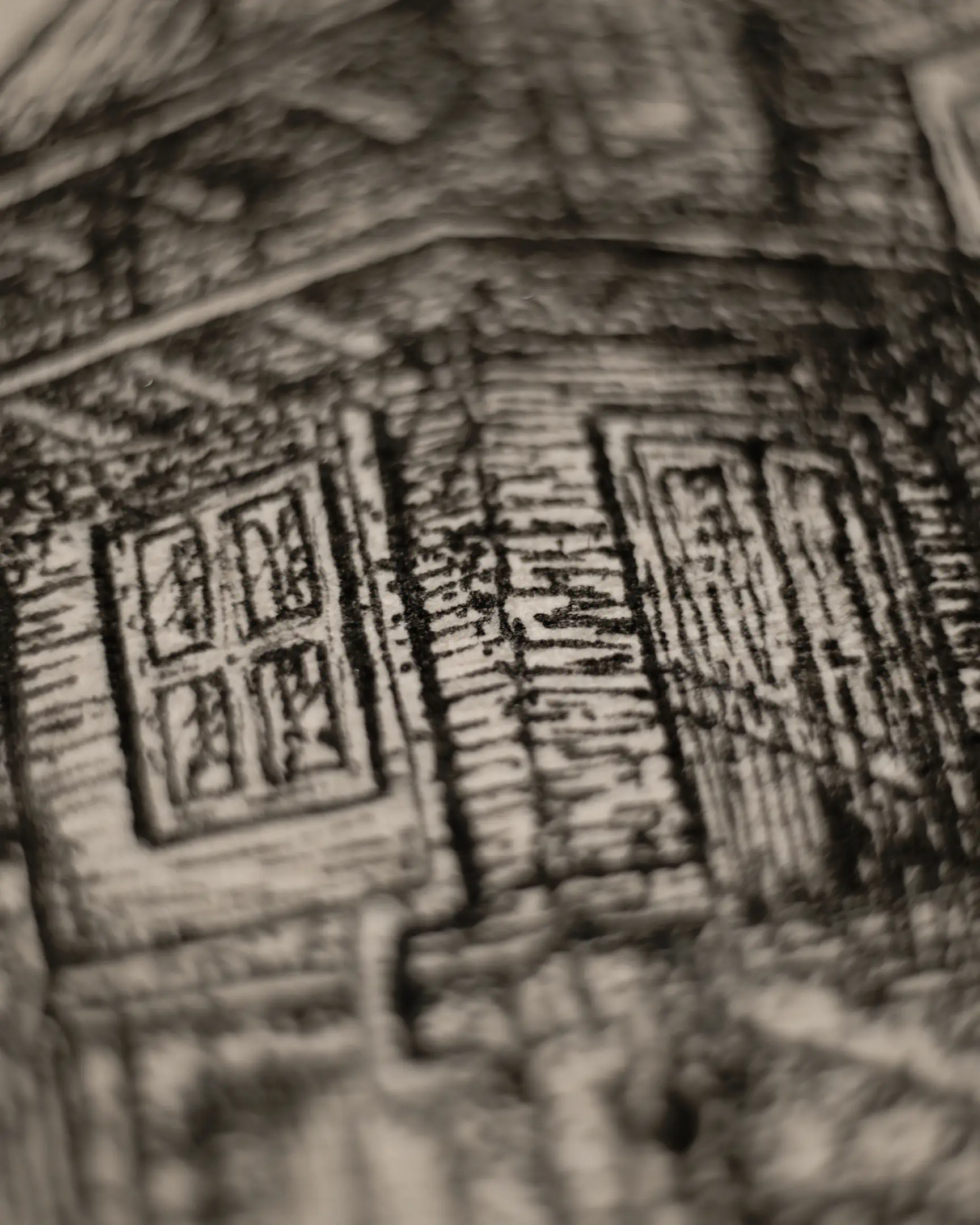
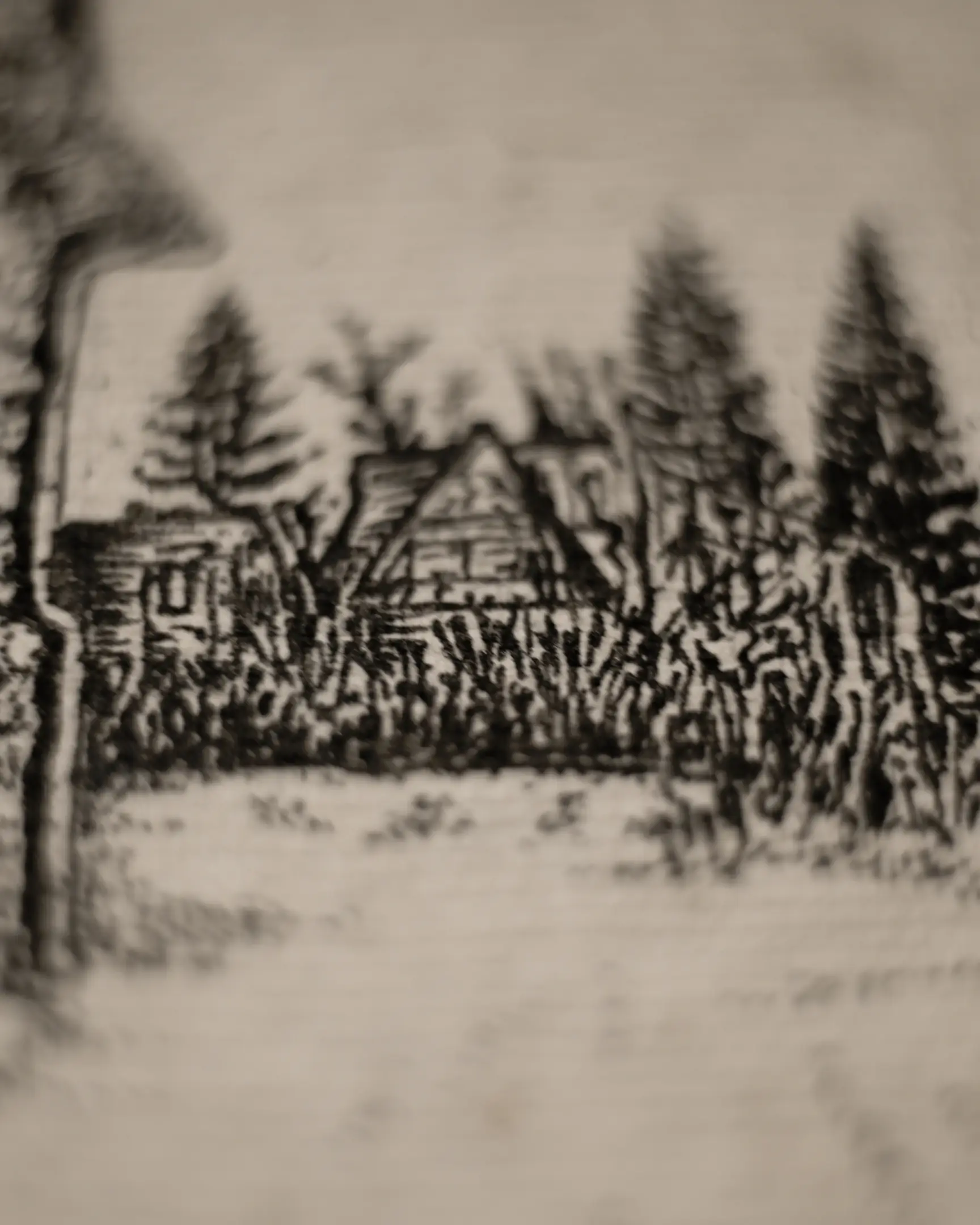
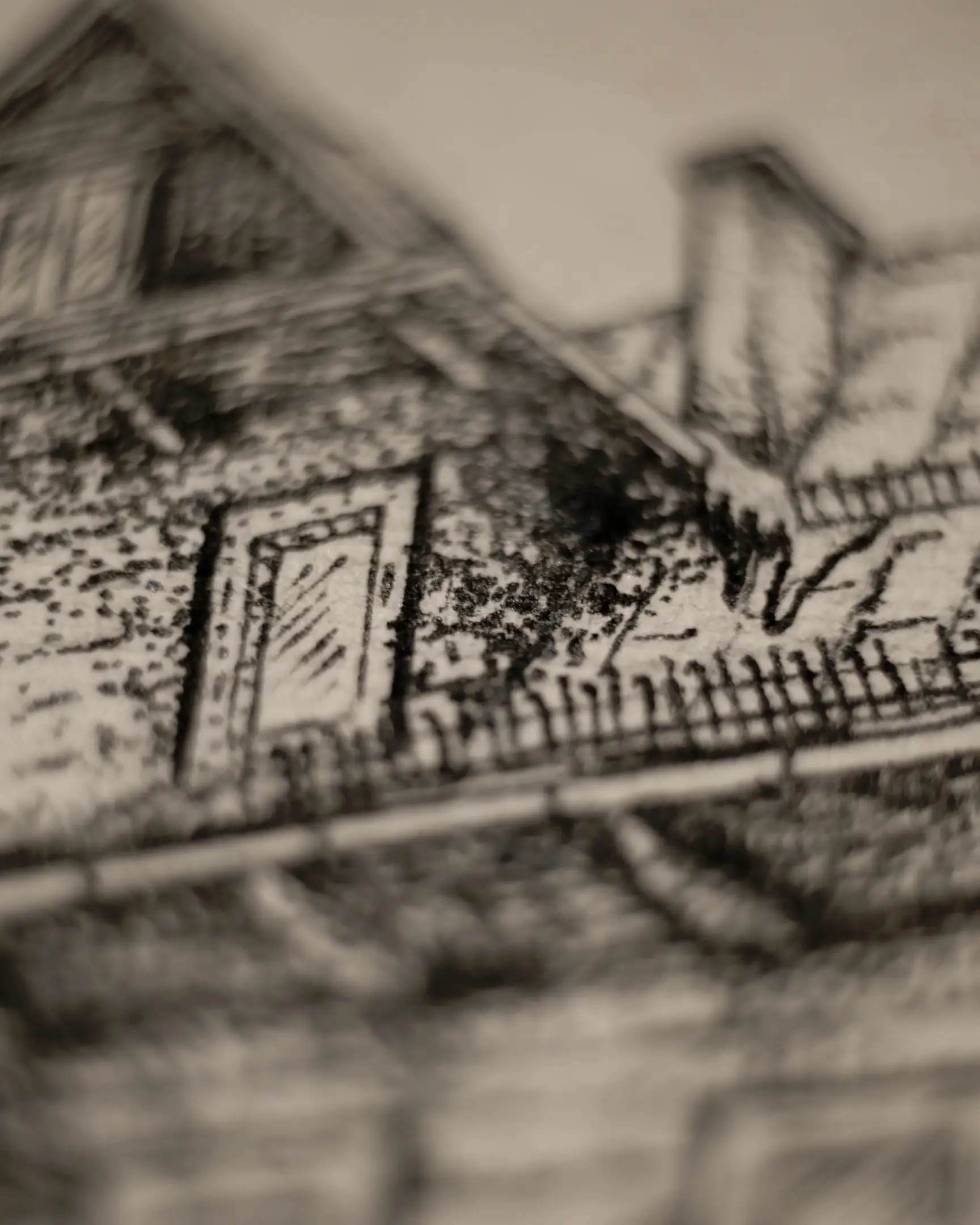
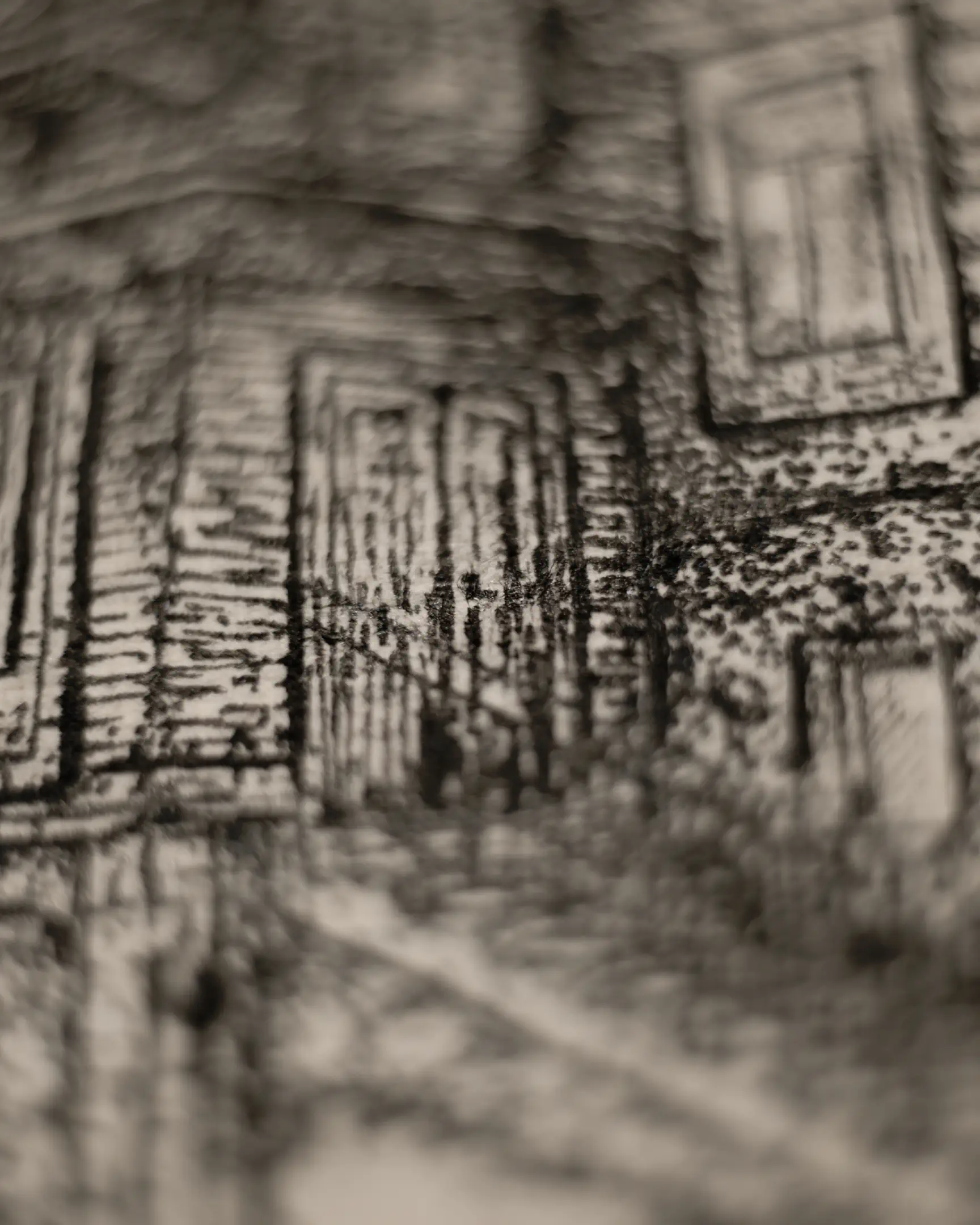
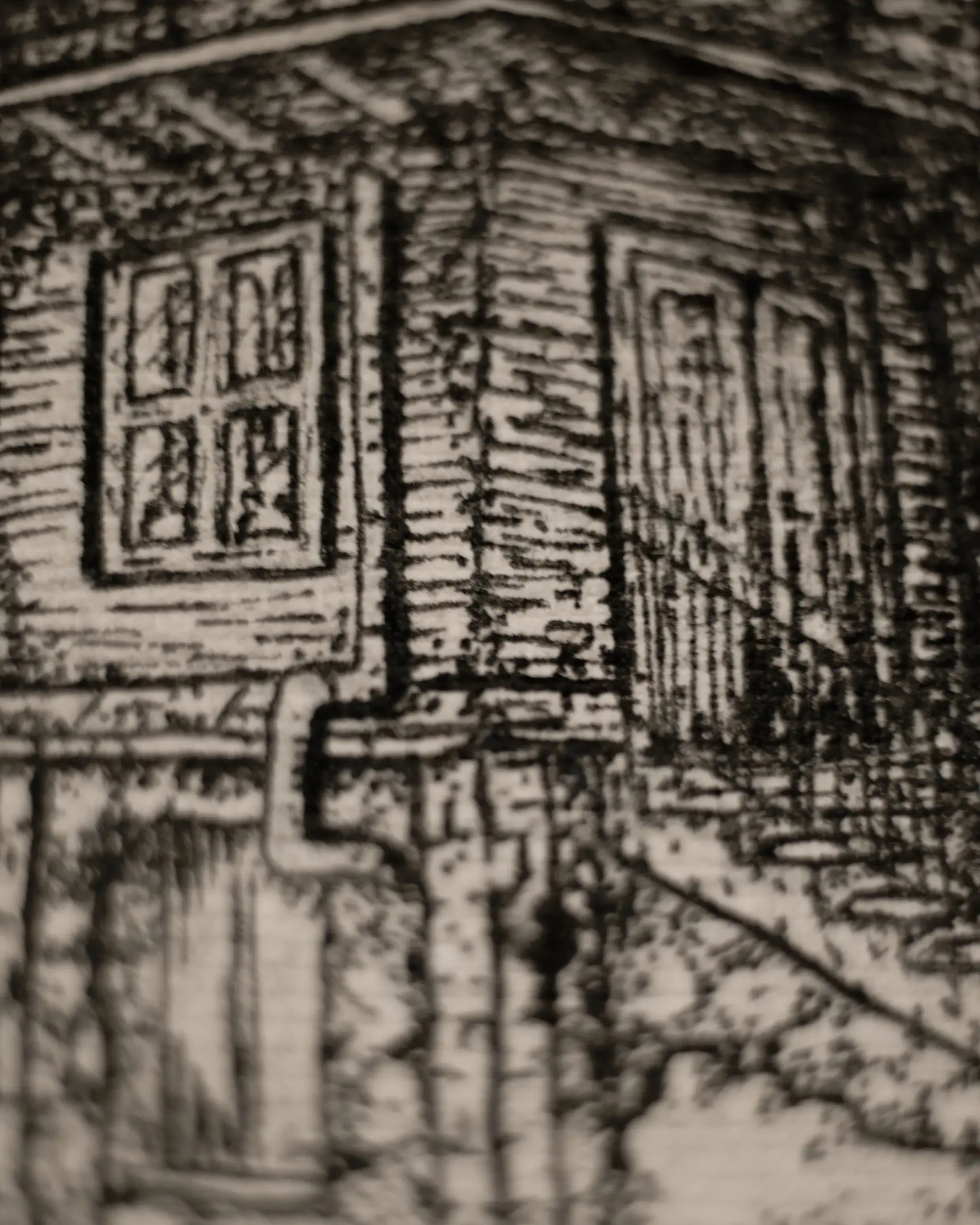
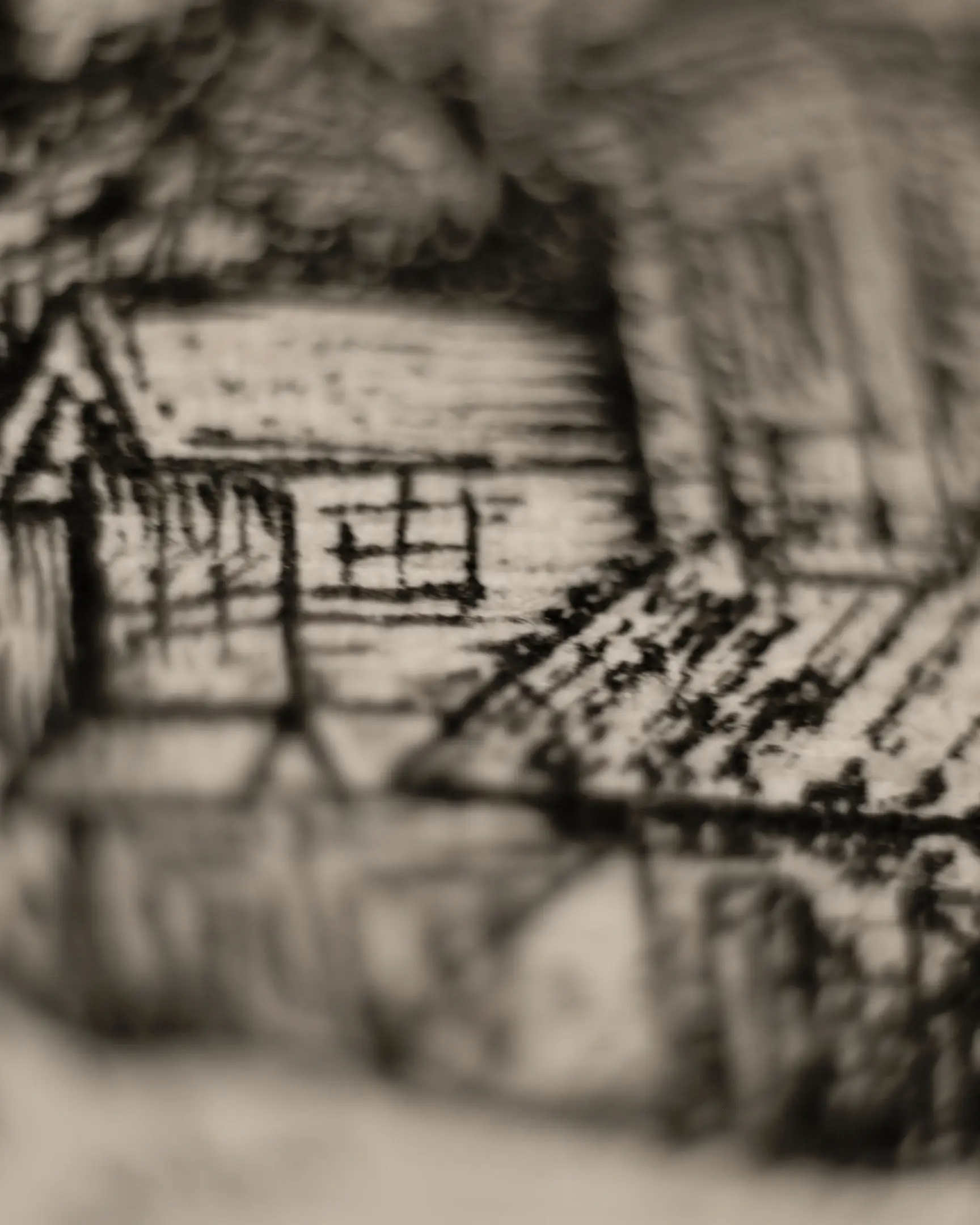
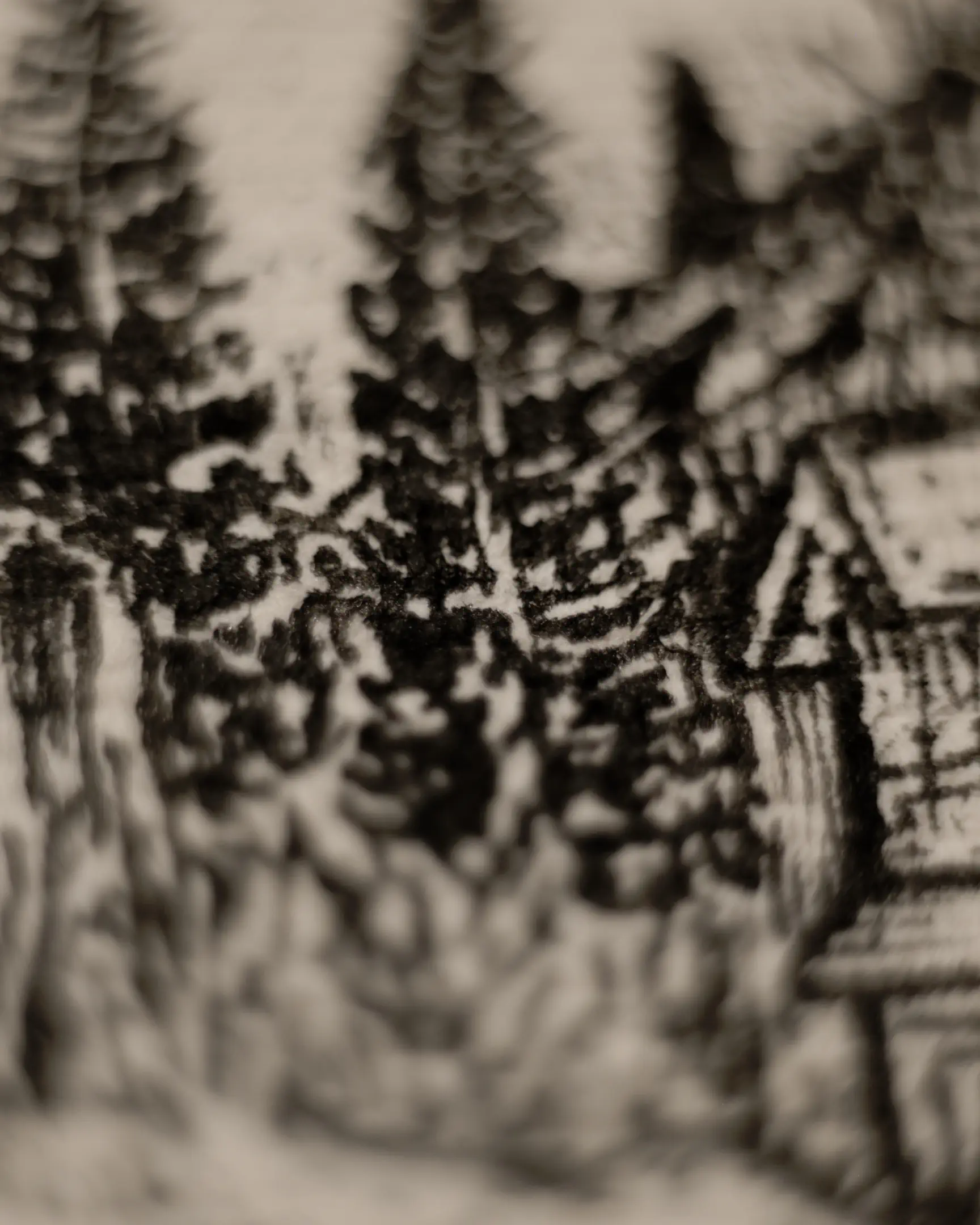
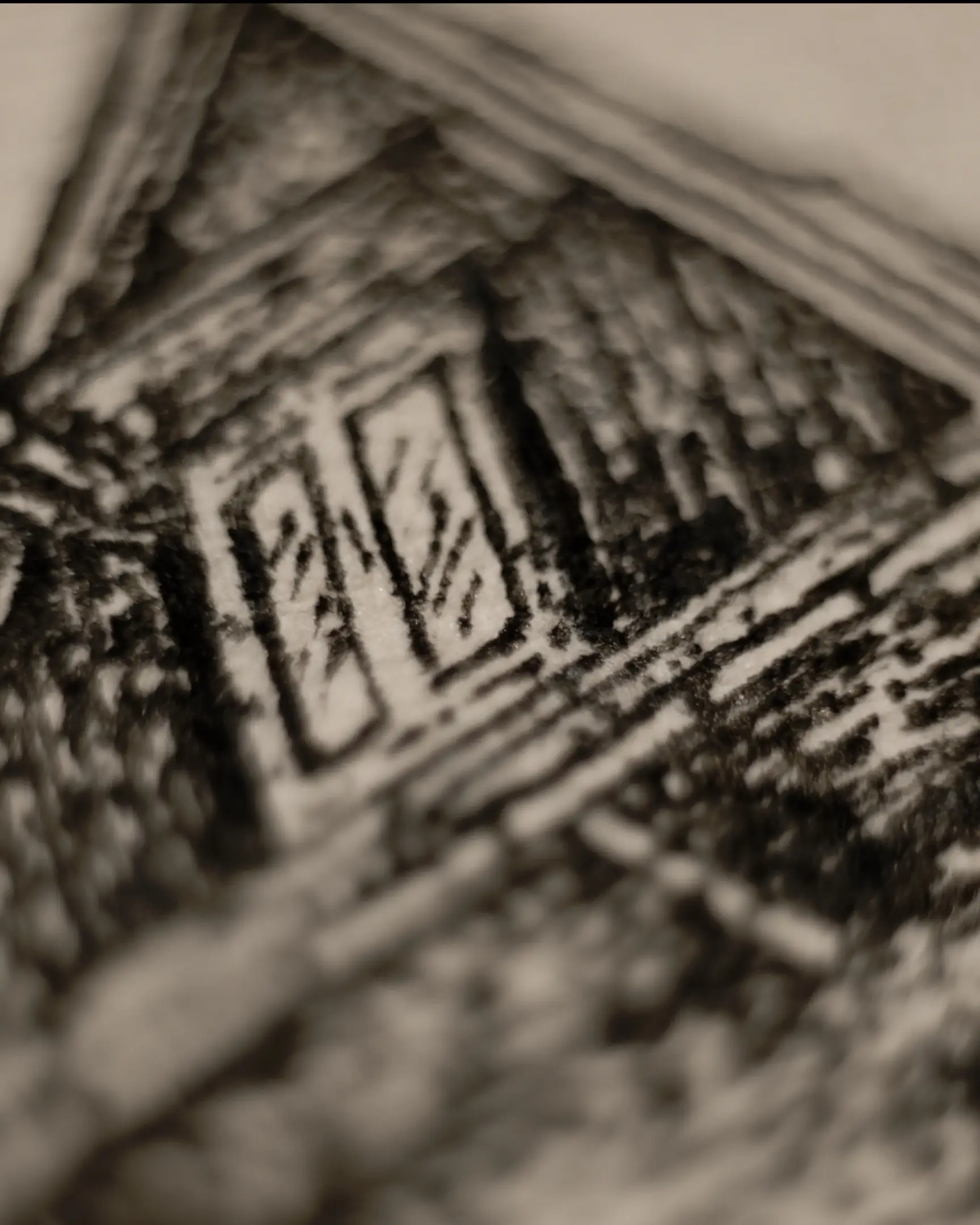
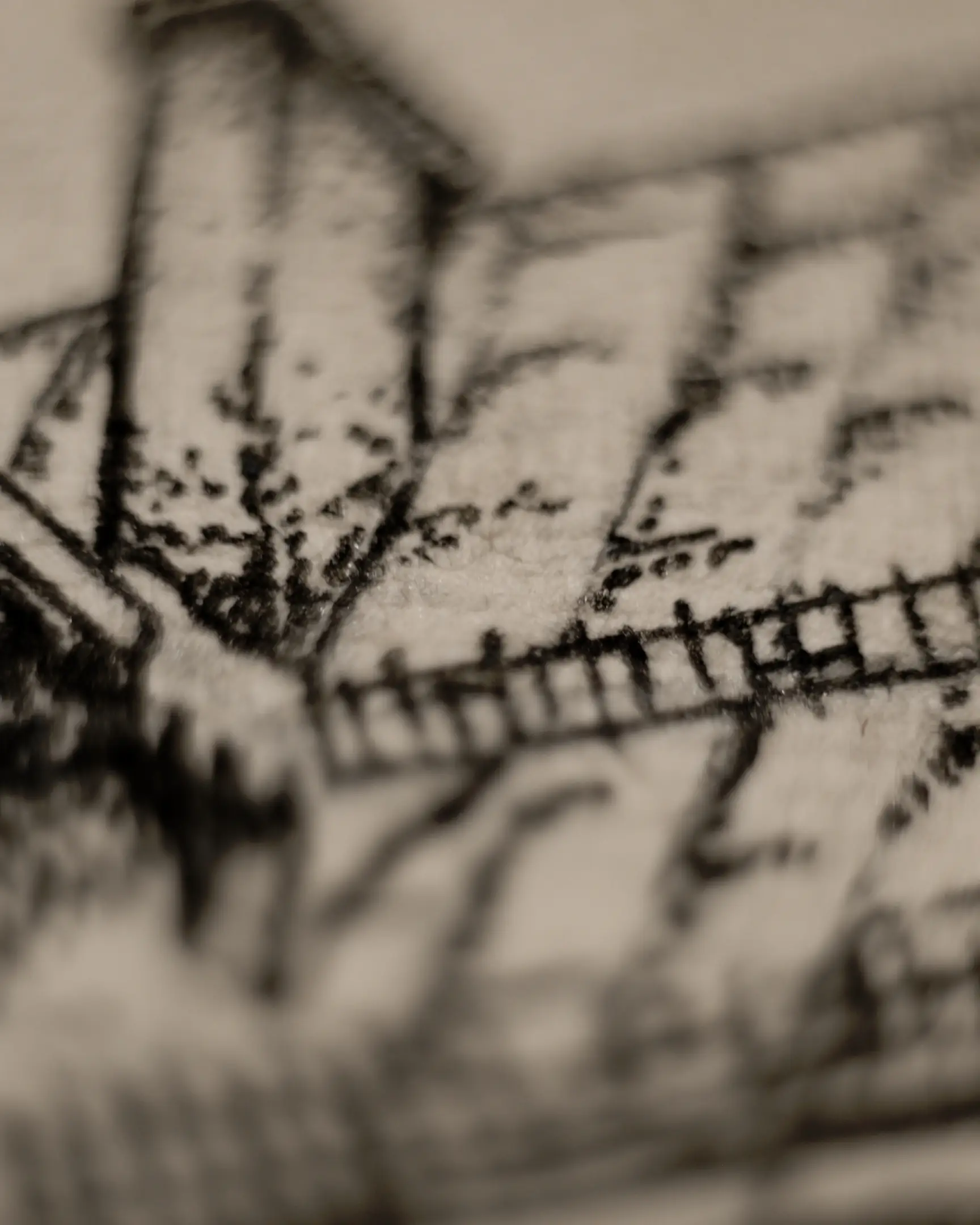
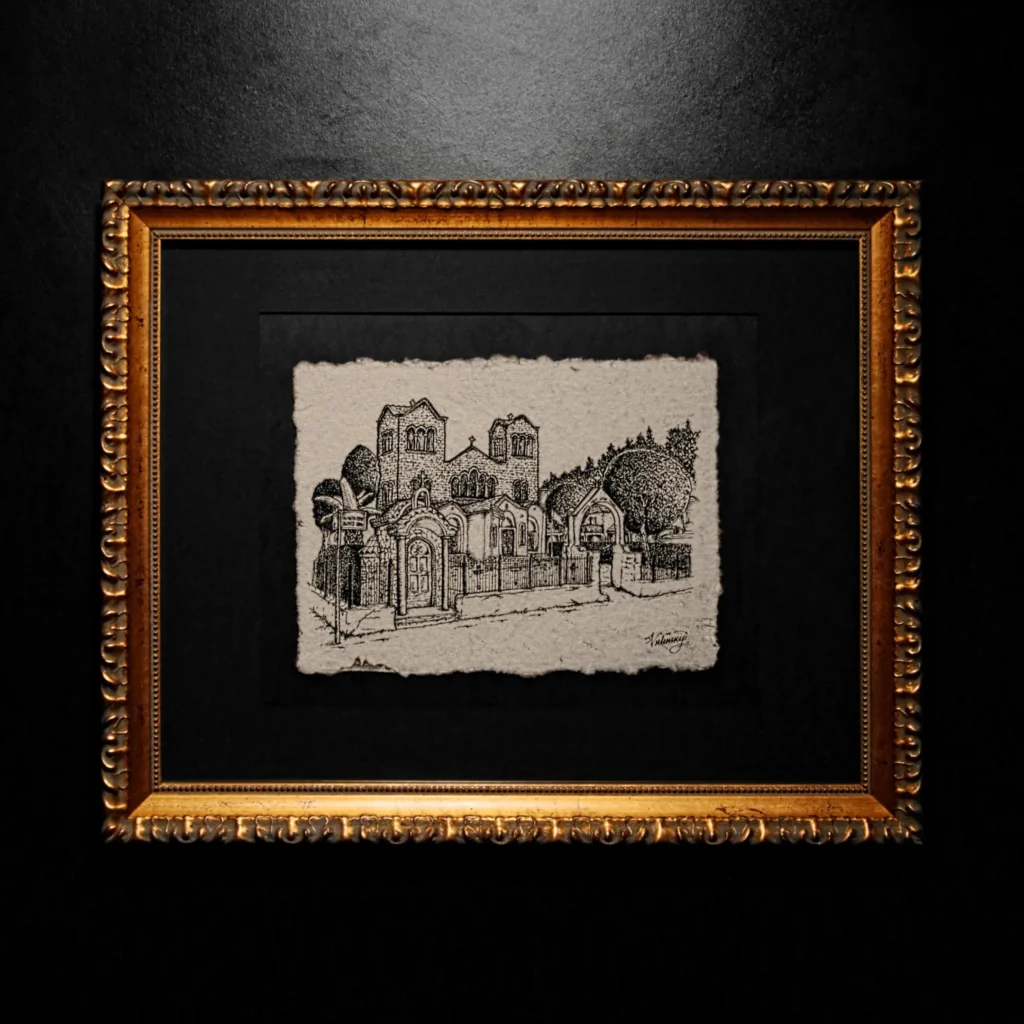
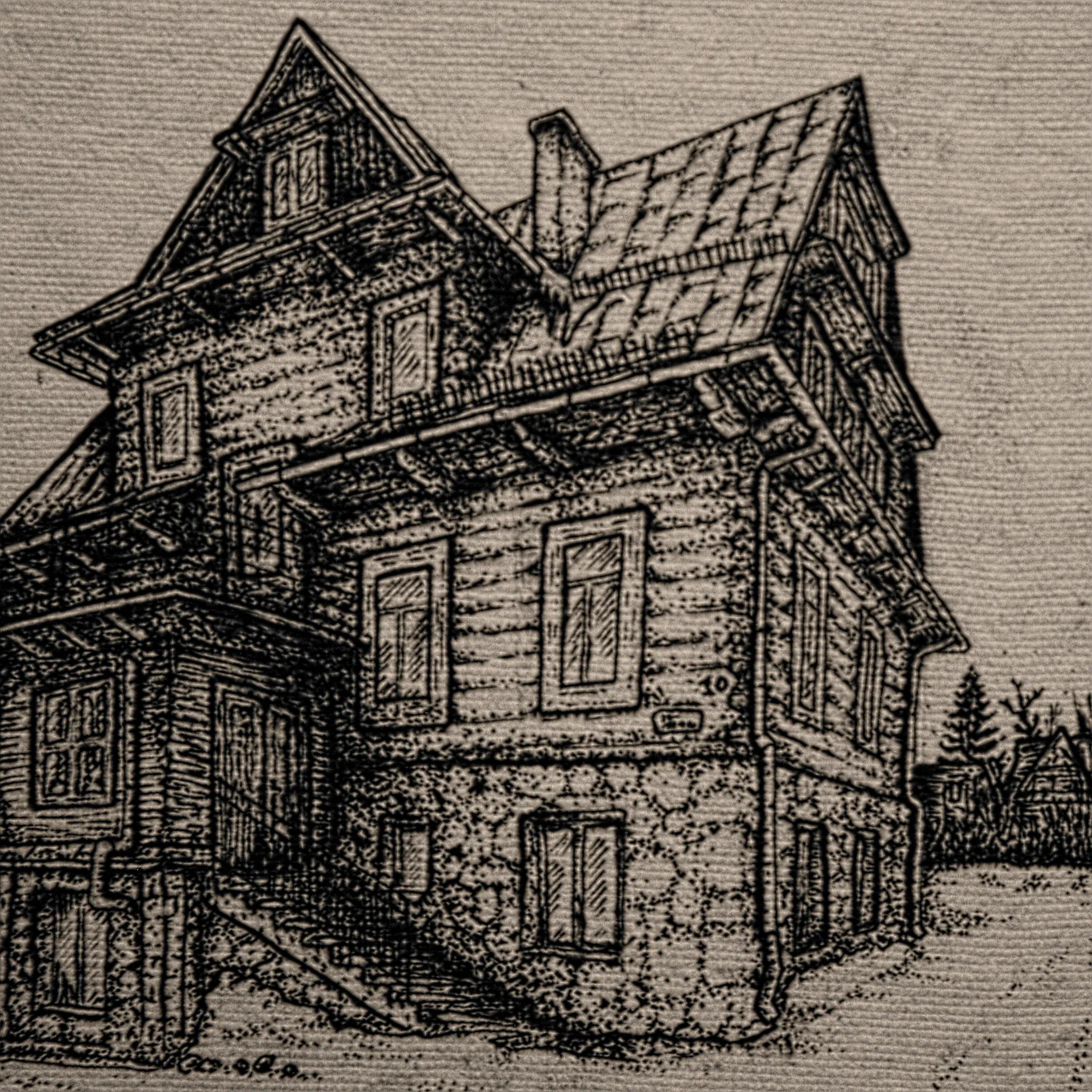
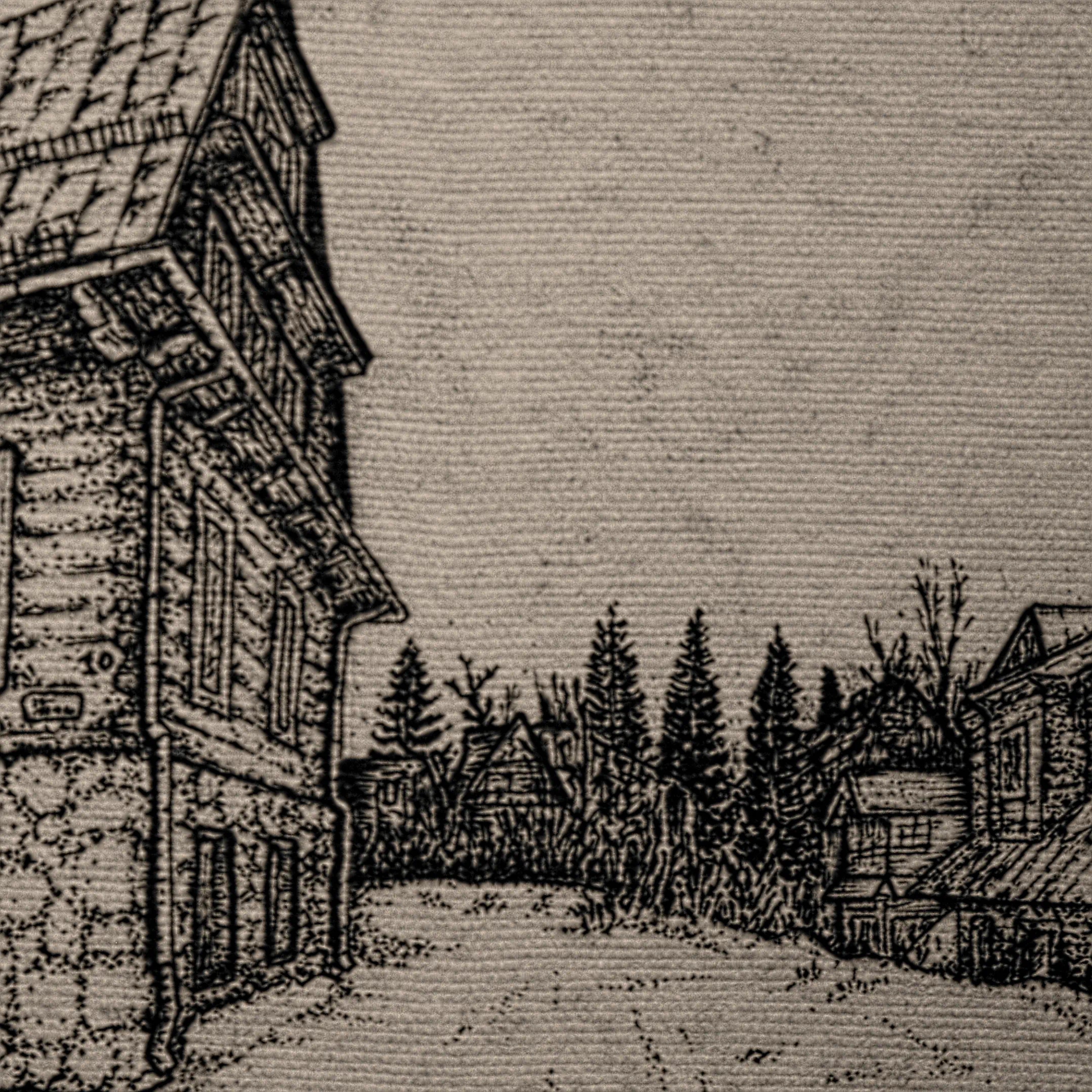
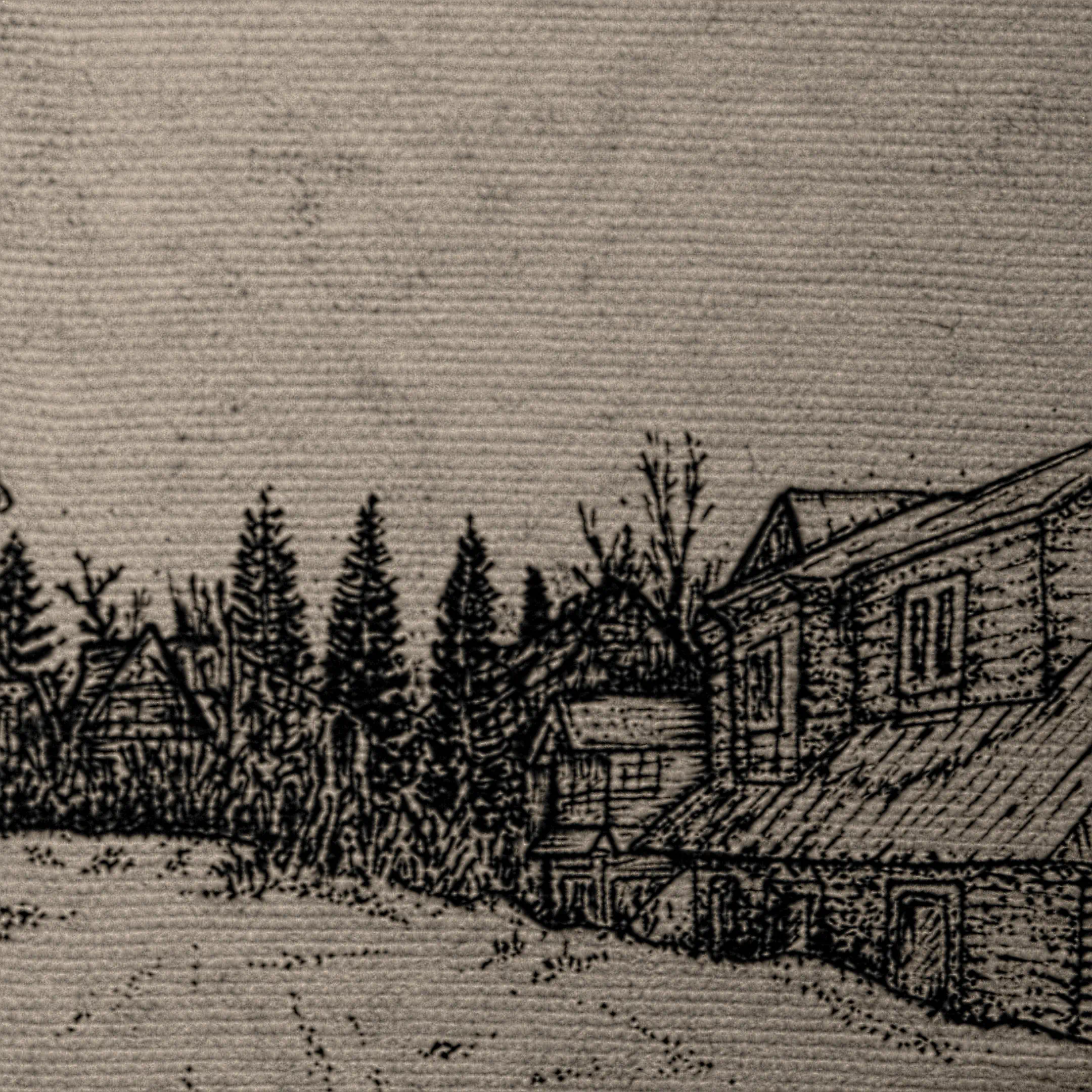
The painting shows the inner courtyard of an apartment building. At the entrance, a massive and heavy wooden door greets the residents. To the right, we see other buildings in the Zakopane style. Trees and outbuildings fade into the distance.
The scene depicts early spring. The snow has already melted from the roofs. However, much of it remains on the ground. It lingers for a long time despite the brilliant sunny weather. It is a striking example of national architecture. We simply call this embodiment Home.
Later, Vselenskyi moved to another country. Nevertheless, this house remained in his soul forever. It echoes with its warmth and the kindness of the local people. Above all, it represents a lasting sense of creative peace.
GALLERY