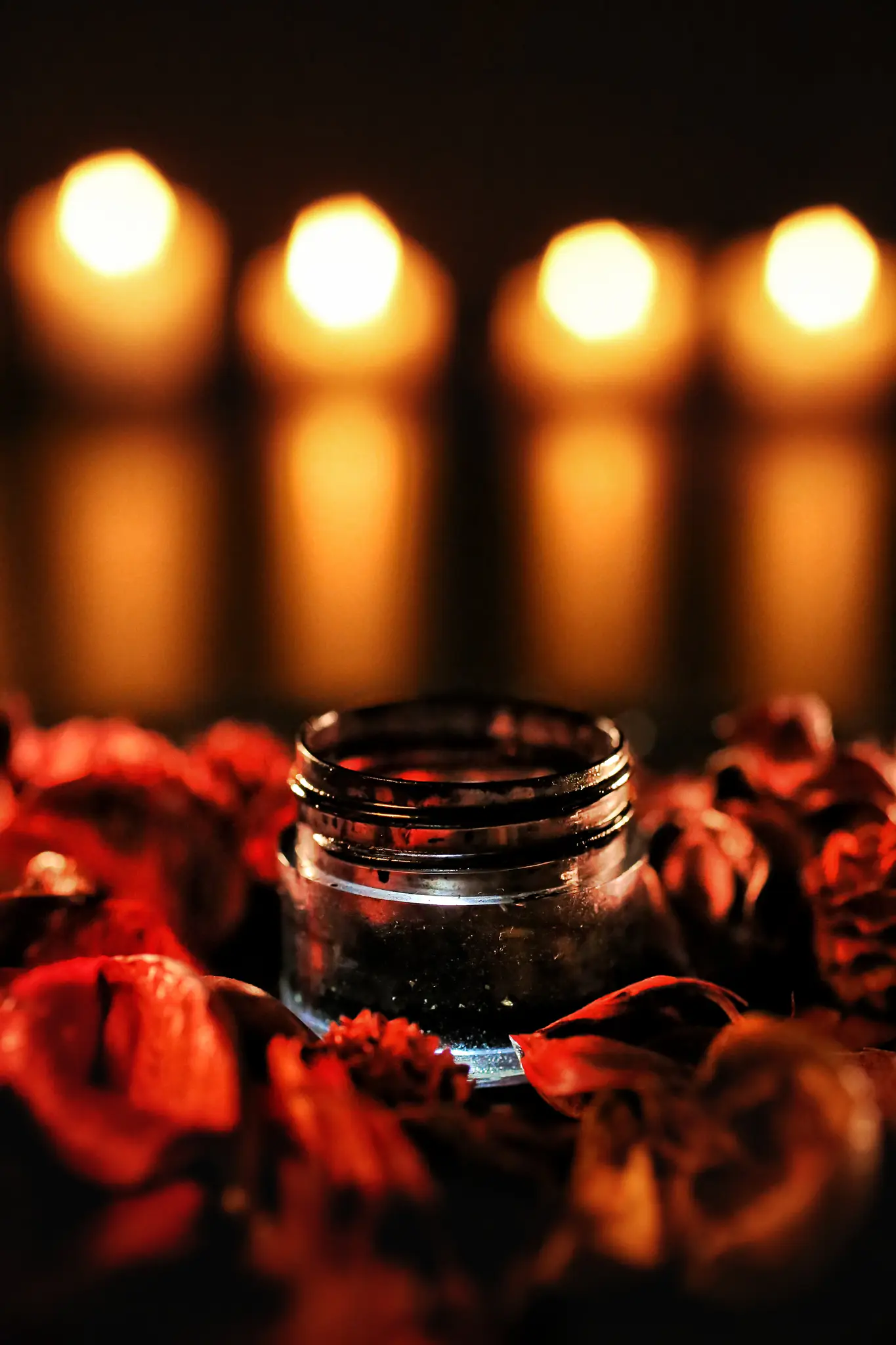
Iron Gall Ink: History, Composition, and Creation Secrets
We continue to introduce you to the materials that form the foundation of our creative work. Today, we will talk about the ink used in many of our pieces.
Iron gall ink is an ancient writing formula that can last on paper for centuries thanks to a fascinating chemical reaction. The recipe for this ink has survived through the ages, preserving the original technology. How exactly is it made?
Iron Gall Ink Composition and Production Technology
First, artisans collect oak galls, which are small, ball-shaped growths that appear on oak leaves due to insect activity. Inside them are natural tannins, designed to protect the tree from pests. In their dry form, they are useless for writing, so they are soaked for a long time in water, wine, or beer to extract the necessary acids. The resulting herbal infusion is strained, combined with iron sulfate, and left in a dark place for several weeks. Over time, natural bacteria and yeast become active in the solution. They ferment the mixture, remove impurities, and make the texture smooth. It is this long fermentation process that turns the infusion into noble ink.
Once the formula is applied to paper, that incredible chemical reaction takes place. At first, the lines look pale, but within a few days, they actively oxidize with oxygen and literally bond with the surface. Moreover, the drawing becomes darker and deeper over time. You can be certain: this ink is more durable than the paper itself. With proper storage, the artwork will last for centuries.
Why We Choose Authentic Iron Gall Ink
We deliberately rejected modern water-based alternatives, choosing authentic iron gall formulas instead. We create them using ancient recipes, honoring the traditions of long fermentation. For our brand, this is not just a tribute to the aesthetics of past eras, but a fundamental principle that defines our creative philosophy.
Today, iron gall ink is rarely found in everyday use because the industry is simplifying, focusing on speed and convenience. Modern artists find it easier to buy water-soluble materials that require no special care, dry in a second, and do not ruin expensive fountain pens. After all, iron gall ink is a living product that requires attention, an understanding of the processes, and respect for the tool, which seems excessive to many creators today. In addition, ancient recipes have given way to factory dyes, as mass production is not interested in materials that take weeks to mature.
How to Draw with Iron Gall Ink: Rules and Features
Working with this ink sets a completely different pace, where every stroke gains true depth. This kind of writing rules out any rush. Since the formula contains acid and an iron salt complex, it must never be left in modern fountain pens. We use dip pens only, which must be rinsed in distilled water and wiped dry immediately after every session to prevent corrosion. There is no digital sterility in this ink: it smells of iron and tannin, requiring a steady hand and patience. In return, it offers exactly what historians and cultural experts value, which is the absolute authenticity of a timeless artwork.
This ink has accompanied humanity for centuries. It was used to sign historic treaties, keep chronicles, draw maps, and create great manuscripts. In our collectible pieces, we combine iron gall ink with genuine 19th-century antique dip pens, allowing us to create unique art. And since we select only the finest authentic materials for framing and packaging, you can be confident in the museum quality of our artwork. They will rightfully be passed down to your grandchildren and great-grandchildren, growing only more beautiful with time.