VSELÉNSKYI

SPAZIO D’ARTE

SOLILOQUY

$9,400.00 (tax included)

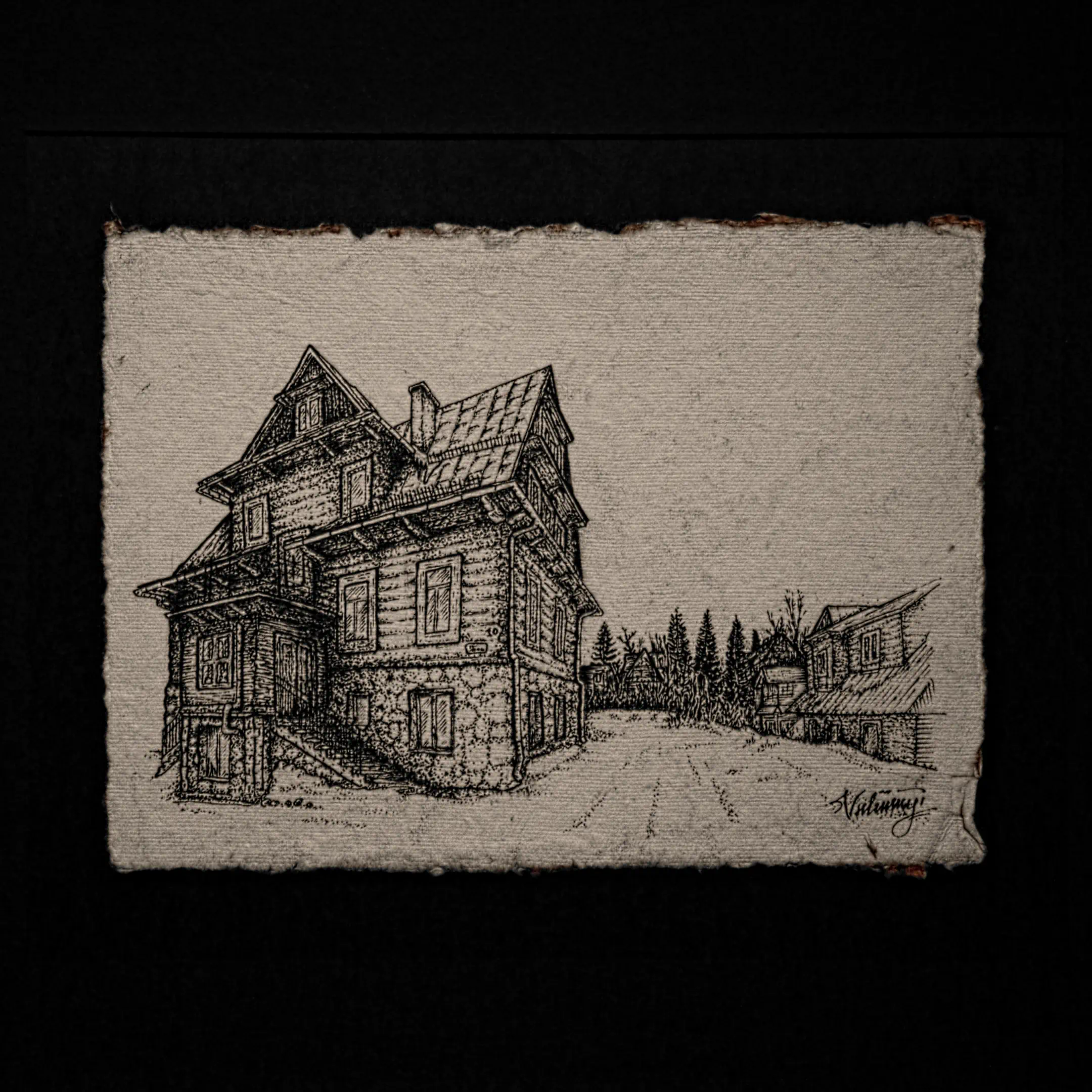
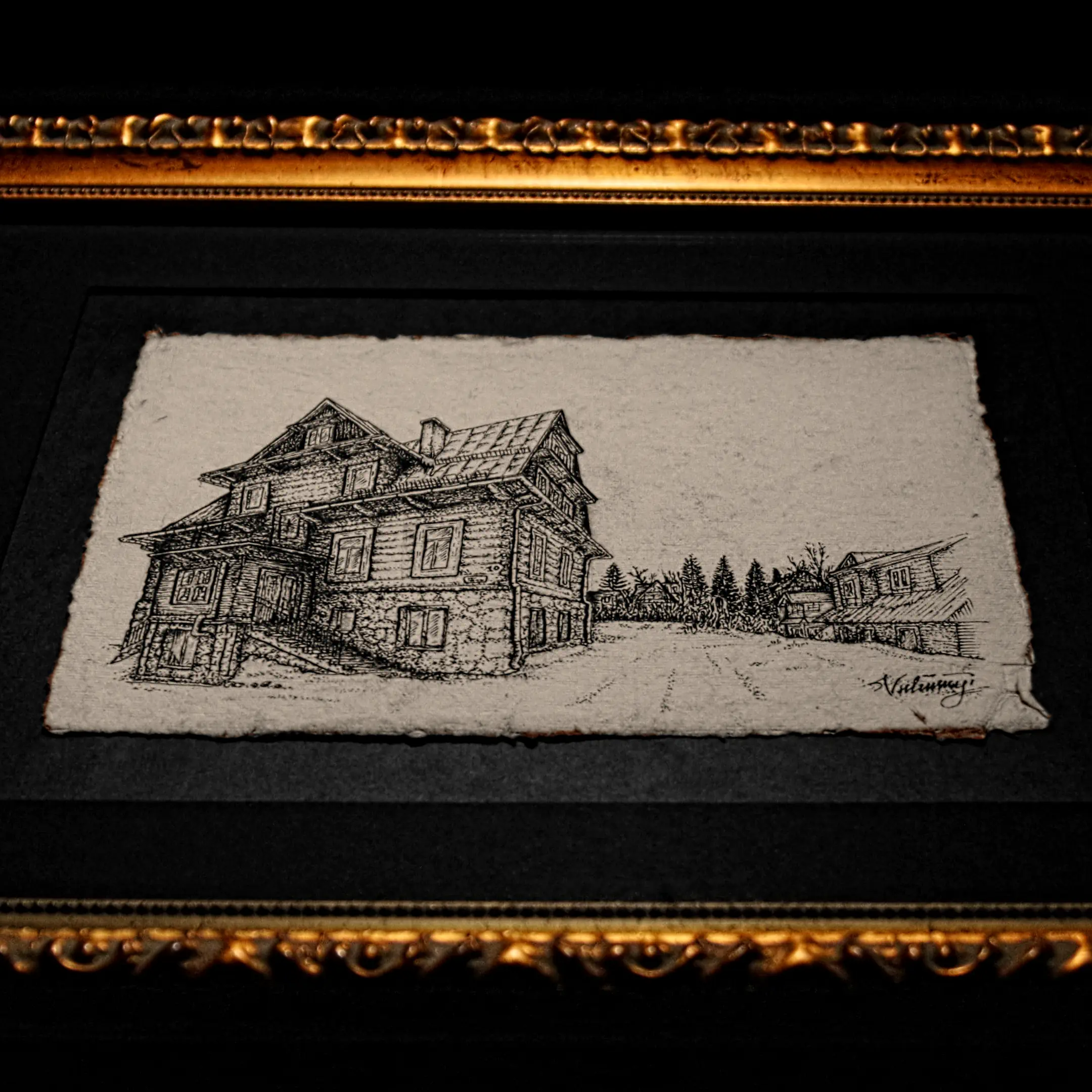
“Soliloquy” is part of Vselenskyi’s early cycle of works, created on handmade Indian craft paper using ink and a dip pen. The story behind this piece is truly touching, revealing the profound journey undertaken by the artist.

SKU: 752
Category:
Brands:

Technical Profile


Attributes Value
Contents

– Original Ink Art Object
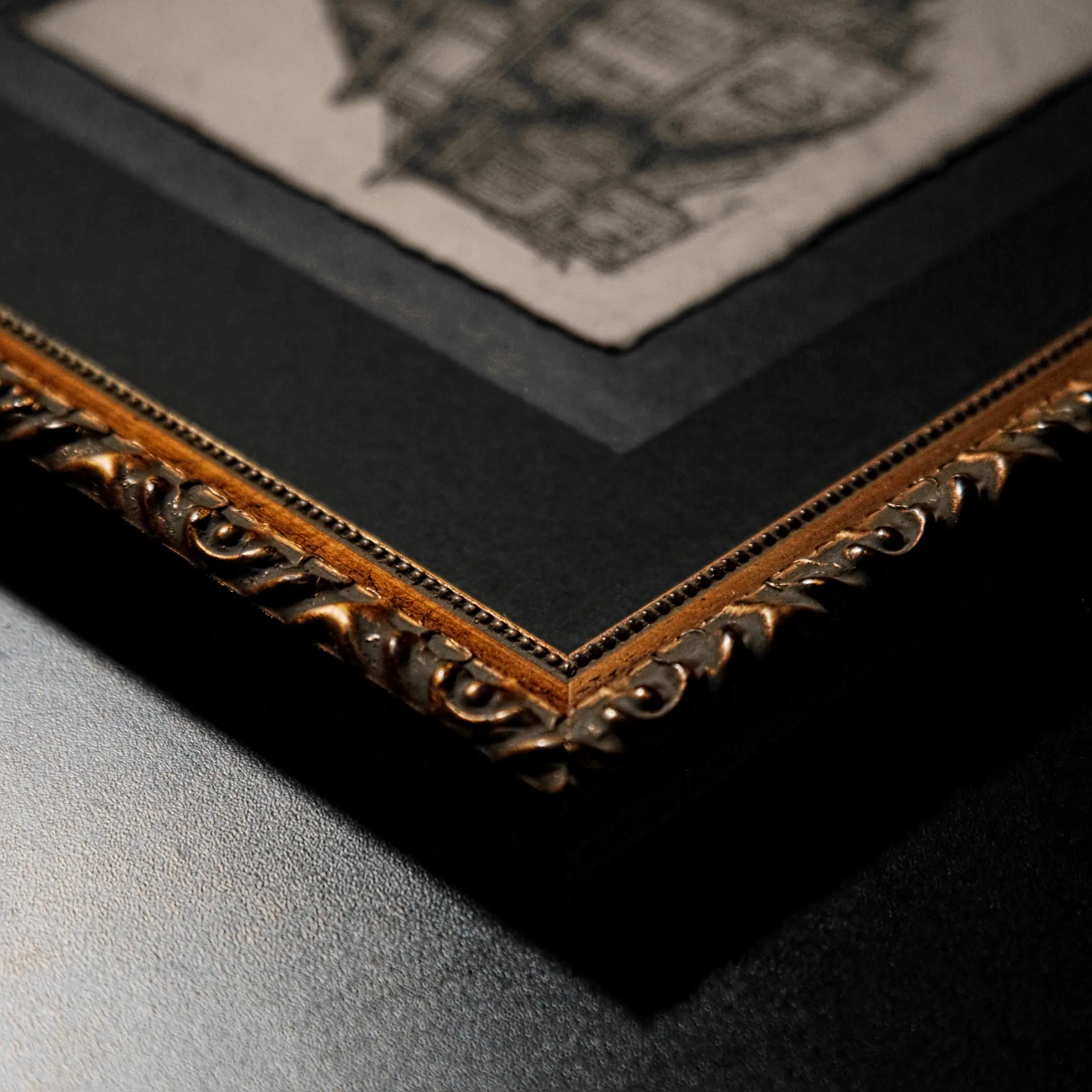
– Custom frame with black mount and plaster molding
– Certificate of Authenticity
– 15-minute "Making of" short film

Specifications

– Sketch Size: 5 x 9 in, 12.7 x 22.8 cm
– Frame Size: 11 x 14 in, 27.9 x 35.5 cm
– Weight: 1 kg, 2.2 lbs

Materials & Origin

– Paper: 300 gsm Handmade Paper (India)
– Frame: Handcrafted Artisan Baguette (Estonia)
– Ink: Classic Carbon-Based Ink (Non-Waterproof, Traditional formula)


HISTORY OF ART OBJECT

SOLILOQUY


“Soliloquy. Finding the voice within the silence of home.”

Vselenskyi Art — Soliloquy painting
A work by Vselenskyi from the Vestigia Collection titled “Soliloquy”

The Soul of the Tatra Mountains

This piece depicts an old house in a town called Zakopane. It is located amidst the scenic and snowy peaks of Poland. Zakopane lies in the far south of the country. It rests in a deep basin at the foot of the jagged granite peaks of the Tatras. These are, by all appearances, the highest range of the Carpathian Mountains.

The town stands as a living monument to European cultural defiance. In the late 19th century, Poland was partitioned between empires and erased from maps. To be sure, this rugged sanctuary became the nation’s spiritual capital. Artists and intellectuals sought refuge here from industrialization.

This environment gave birth to the unique Zakopane Style. It was an architectural marvel of dark wood. This style fused the raw strength of highlander craft with the elegance of Art Nouveau. For Europe, Zakopane remains a symbol of how local traditions can transcend into fine art. It preserves a nation’s soul within steep rooflines and intricate carvings.

The Journey to the Highland Sanctuary

If you decide to visit Zakopane, the easiest way to reach it is from Kraków. Incredible beauty awaits you along the way. Therefore, when choosing between a train or a bus, you should opt for a bus or a car. This choice allows you to truly experience the mountain serpentines.

You will see the winding roads and the majesty of the surrounding peaks. As you ascend high into the mountains, be prepared for the sensation of your ears popping. As you approach the town, you will begin to notice unusual structures. These have very distinctive roof shapes.

Today, Zakopane is an incredibly atmospheric and cozy town. In the 19th century, however, it was merely a small village. A resident of a major metropolis might be struck by its intimacy. Essentially, the entire center consists of one main pedestrian street and a few adjacent lanes.

Hotels, bars, cafes, and shops are all very close together. The town evokes the settlements of the 19th-century American Wild West. In those days, the saloon and the bank stood shoulder to shoulder. In the evening, there is no need to wonder where to go. Indeed, all roads lead to the central street.

Polish countryside art by Vselenskyi
Polish countryside in the art of Vselenskyi

A Haven for the Inner Flâneur

On the other hand, this small town offers beautiful routes for a morning flânerie. This is a leisurely and aimless stroll. No matter where you are, you are surrounded by mountains. Long trails stretch through the outskirts to the very summits.

Could there be a better place to escape the bustle of the city? Entering this town, you step into an entirely different world. It is detached from the global agenda. News and politics seem so distant that they cease to matter. One stops looking at the outside world and begins to look deep within oneself.

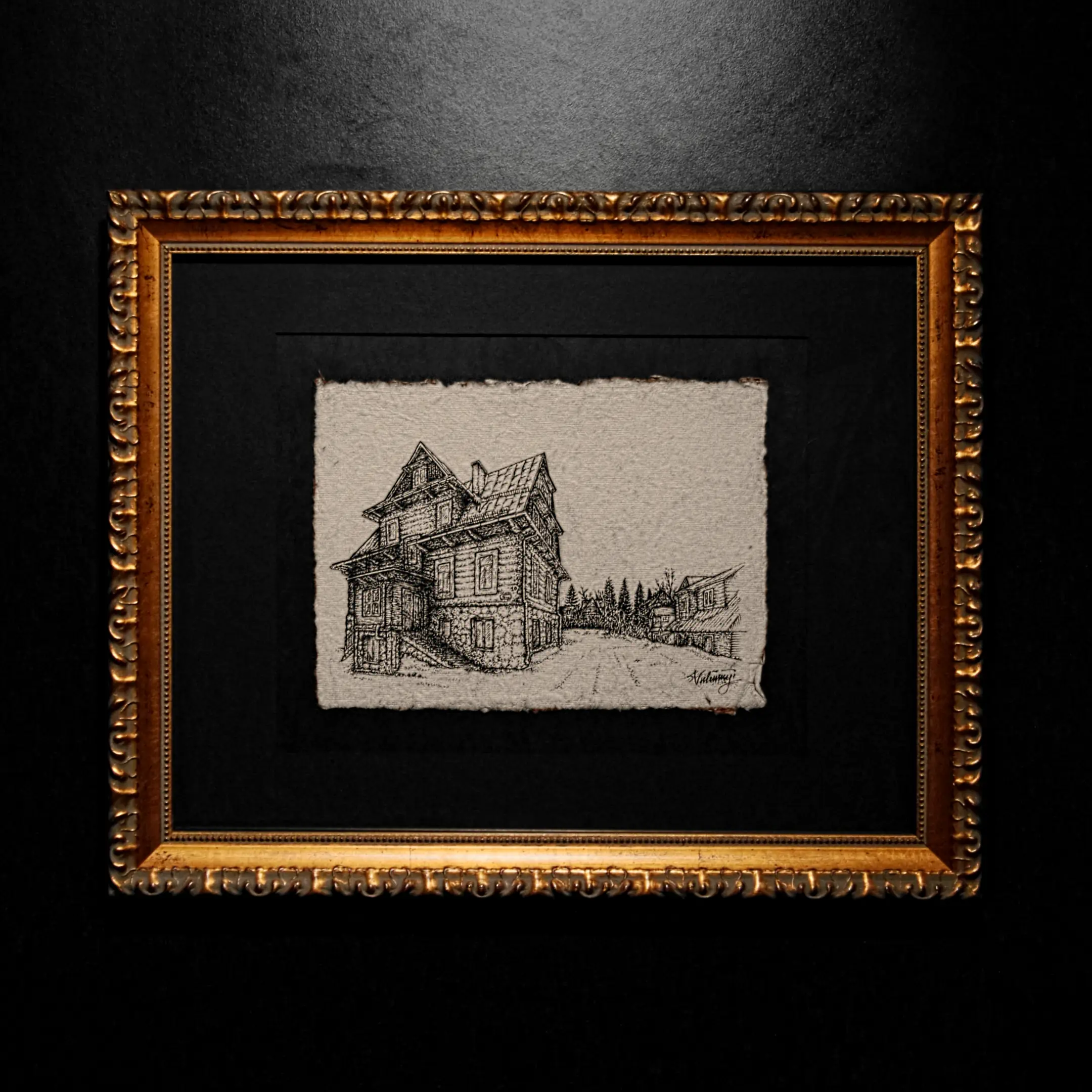
In this painting, Vselenskyi captured the house where he rented a small room. It was a period when the artist sought to escape the frantic pace of urban life. He wanted to focus entirely on his craft. Here, he created his works and indulged in reflection during morning walks.

When night fell, the town lit up with millions of tiny lights. He would take his evening stroll along the bustling street. He surrendered to idle contemplations of life. For Vselenskyi, this house represented a quiet and temporary haven.

The Architecture of Creative Peace

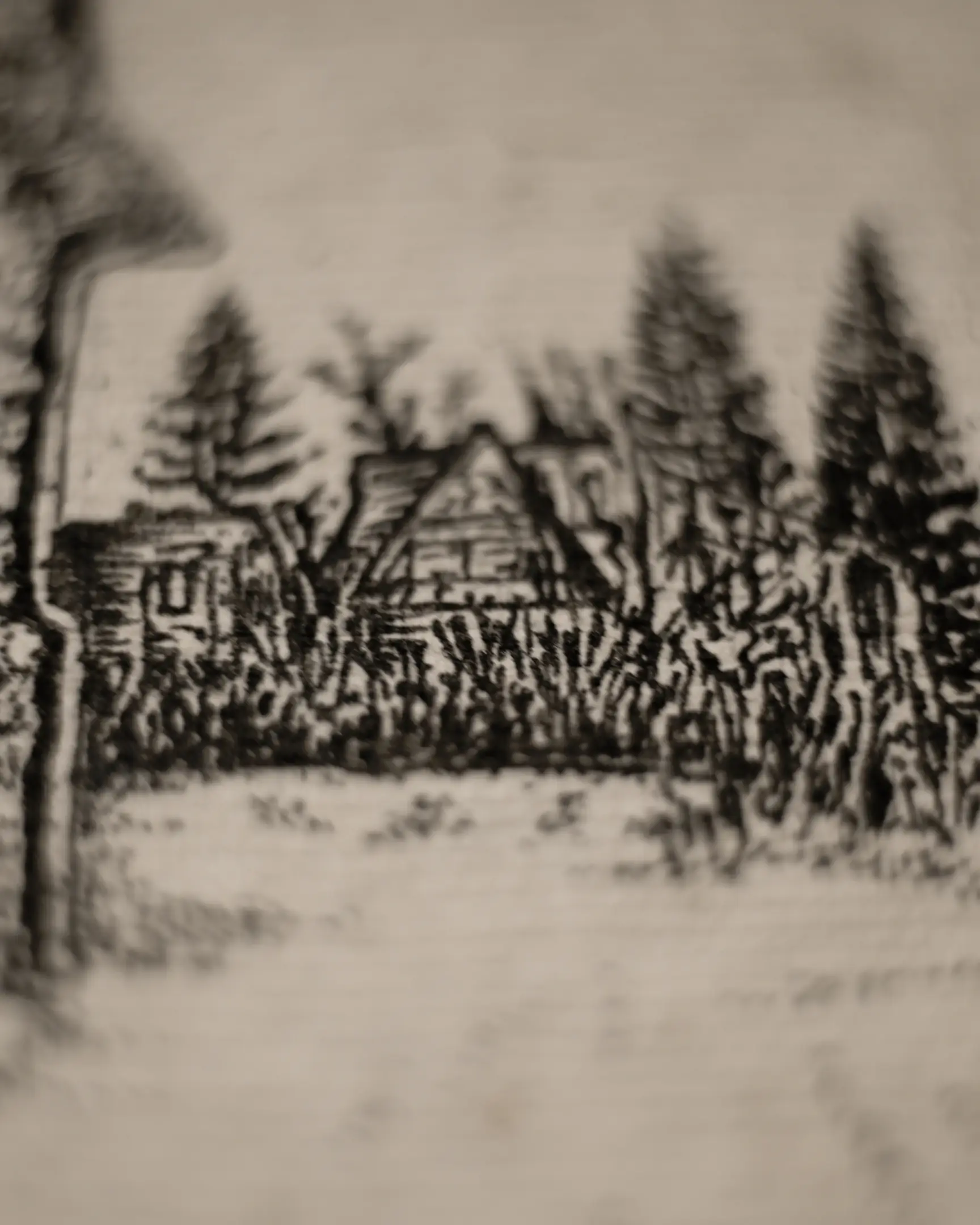
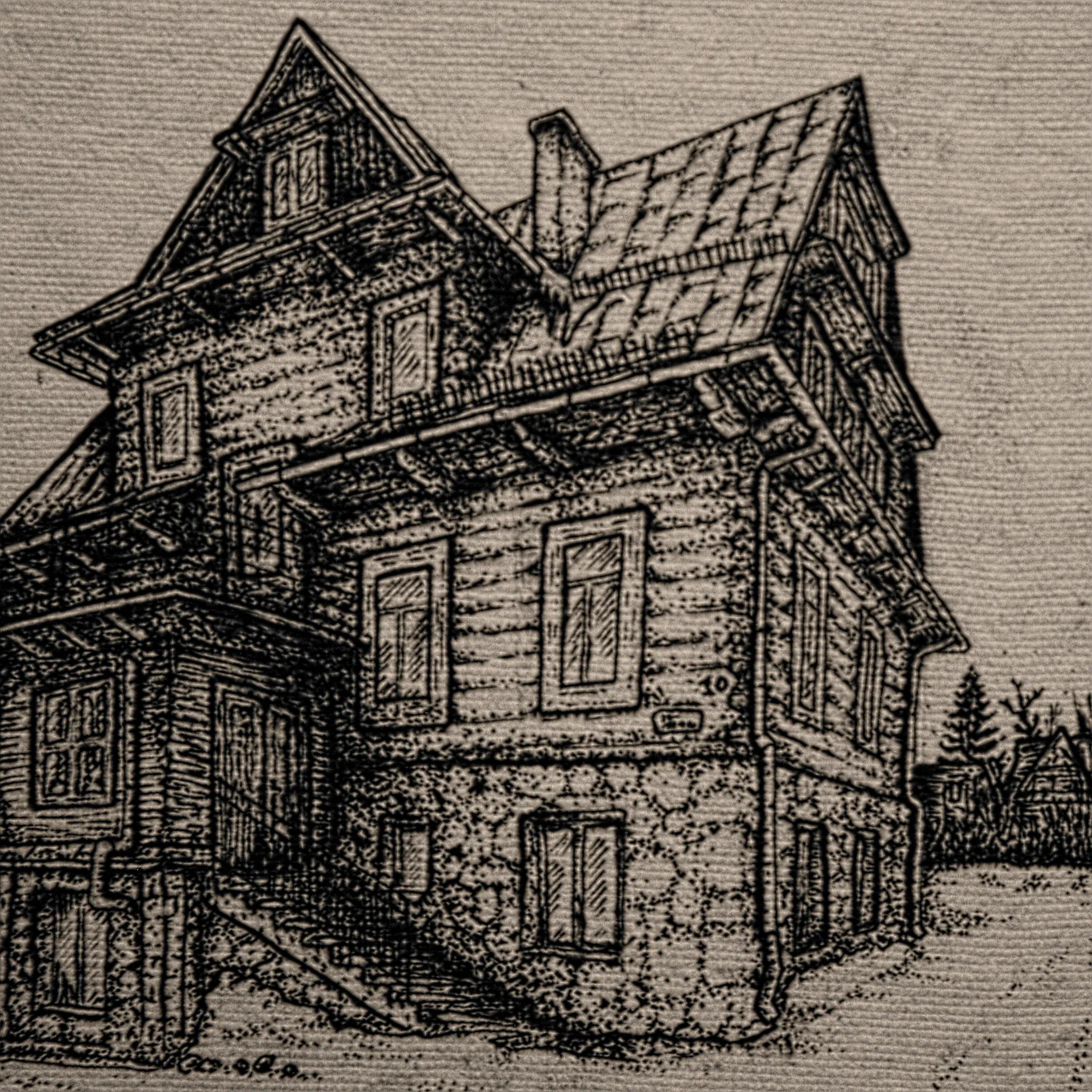
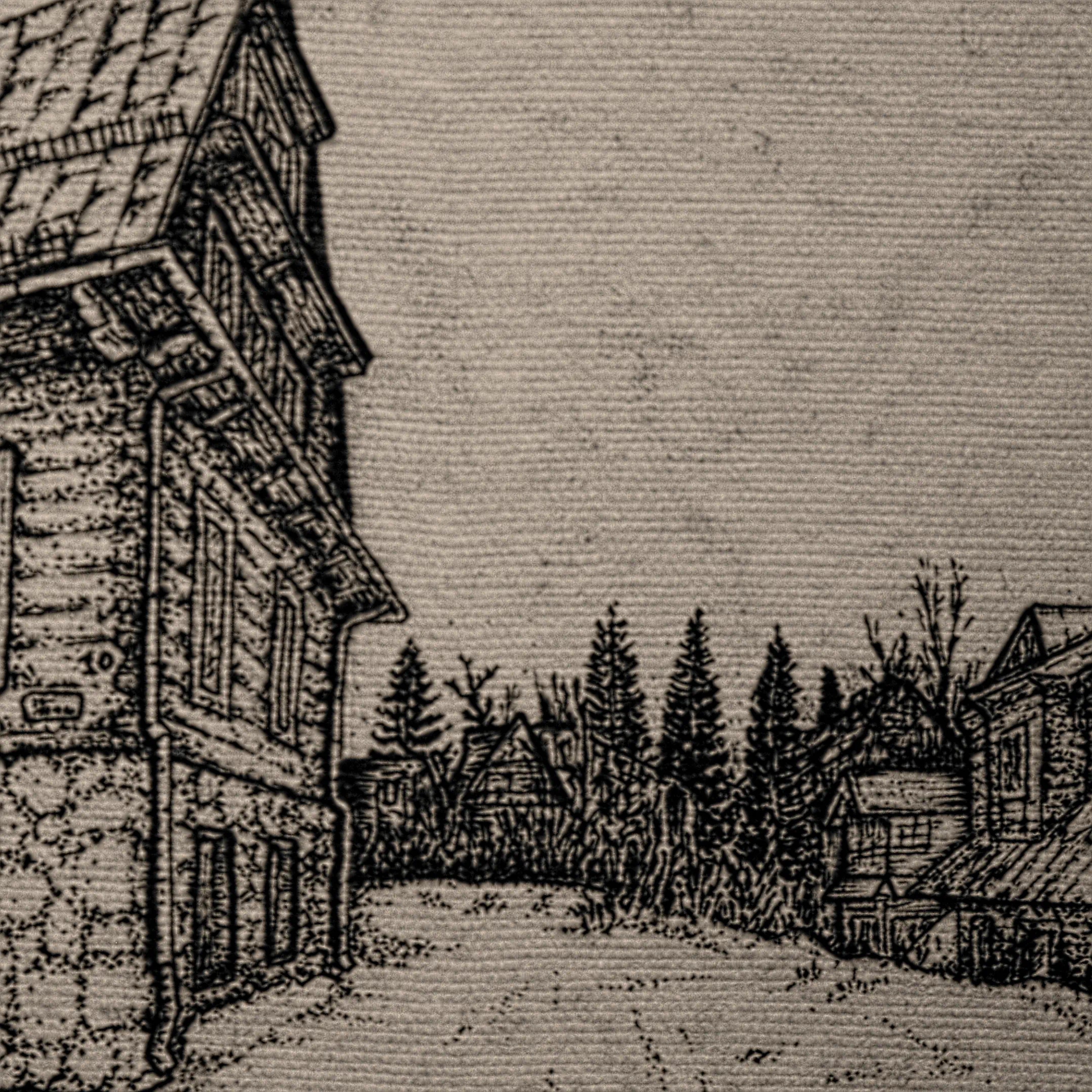
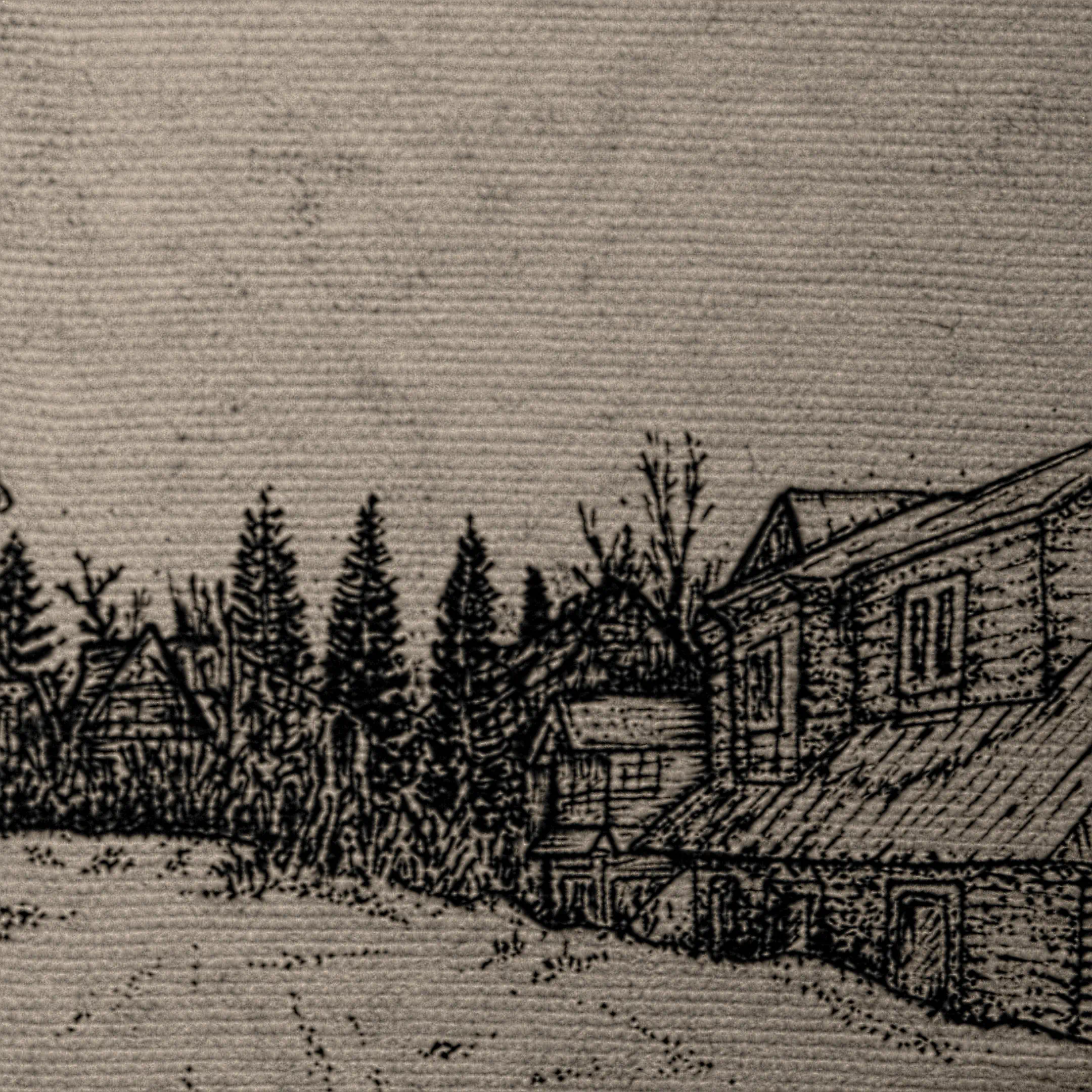
The painting shows the inner courtyard of an apartment building. At the entrance, a massive and heavy wooden door greets the residents. To the right, we see other buildings in the Zakopane style. Trees and outbuildings fade into the distance.

The scene depicts early spring. The snow has already melted from the roofs. However, much of it remains on the ground. It lingers for a long time despite the brilliant sunny weather. It is a striking example of national architecture. We simply call this embodiment Home.

Later, Vselenskyi moved to another country. Nevertheless, this house remained in his soul forever. It echoes with its warmth and the kindness of the local people. Above all, it represents a lasting sense of creative peace.

GALLERY
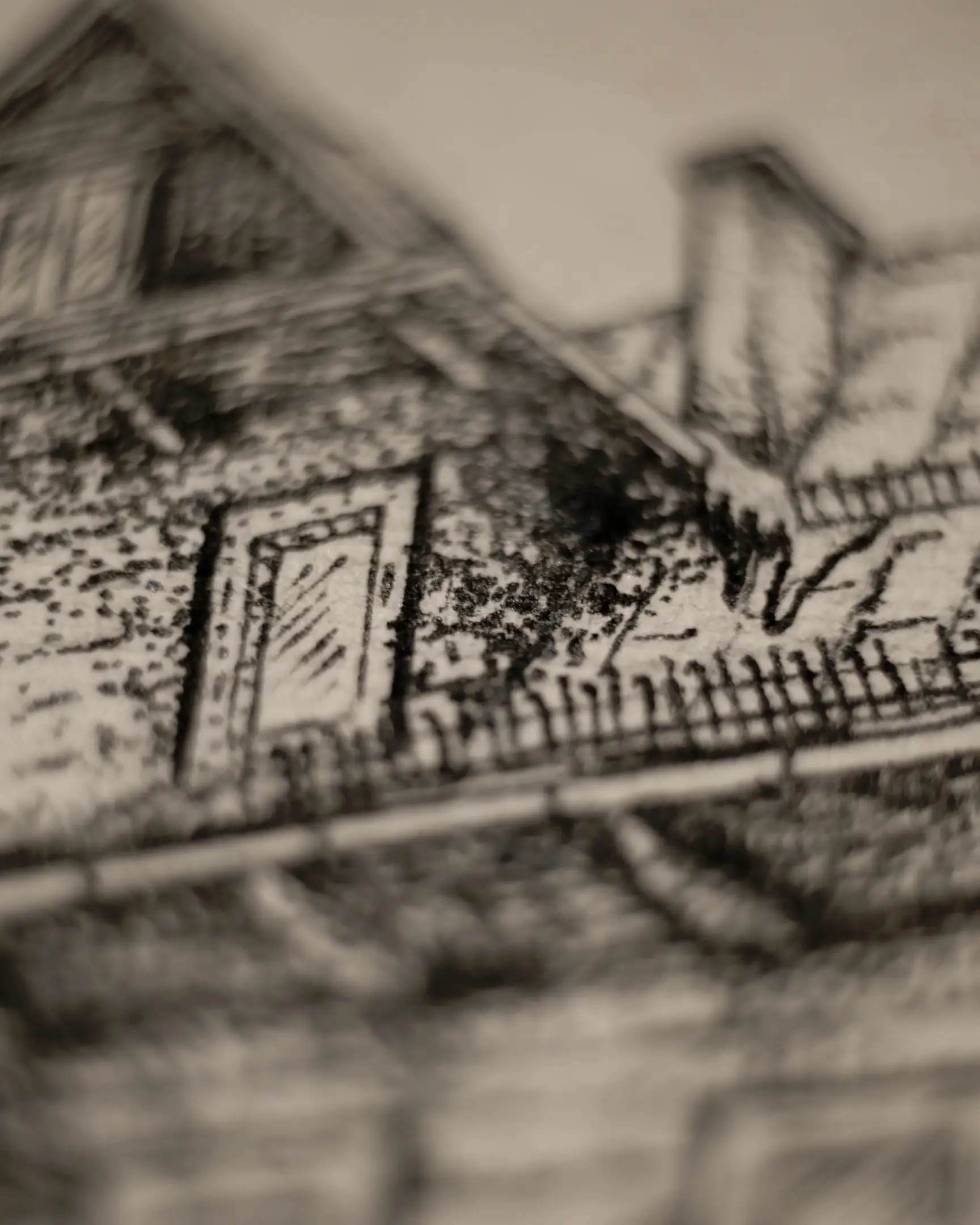
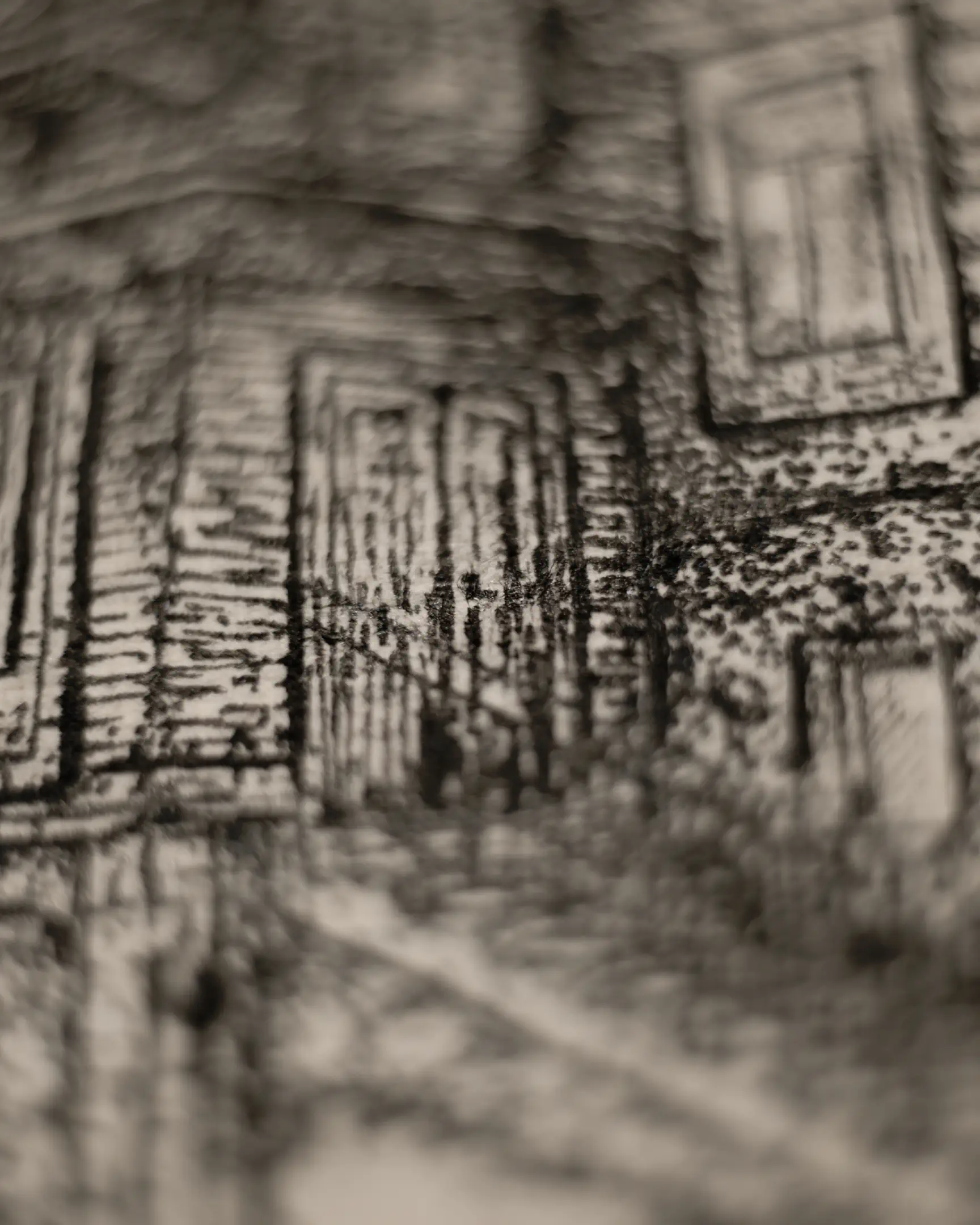
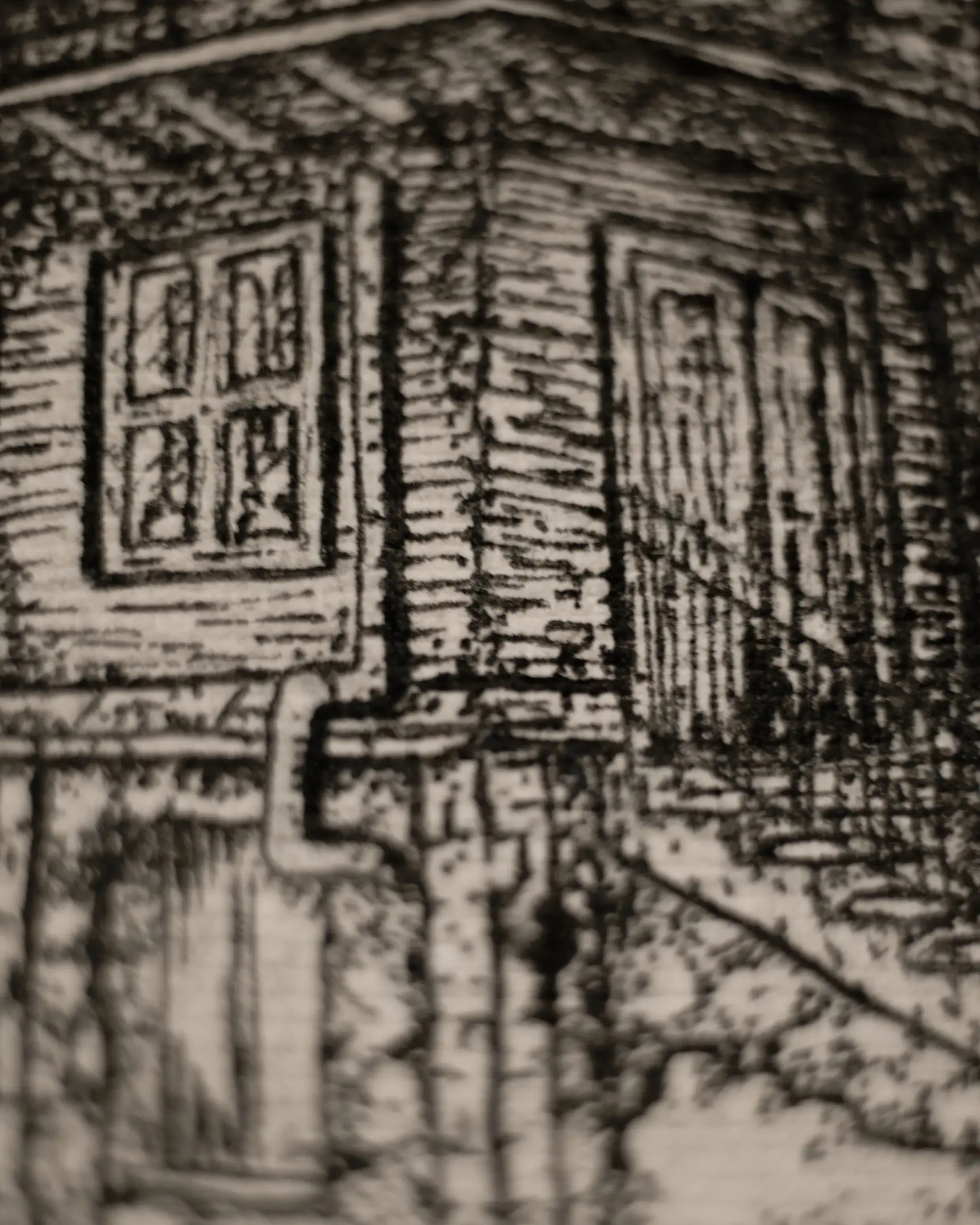
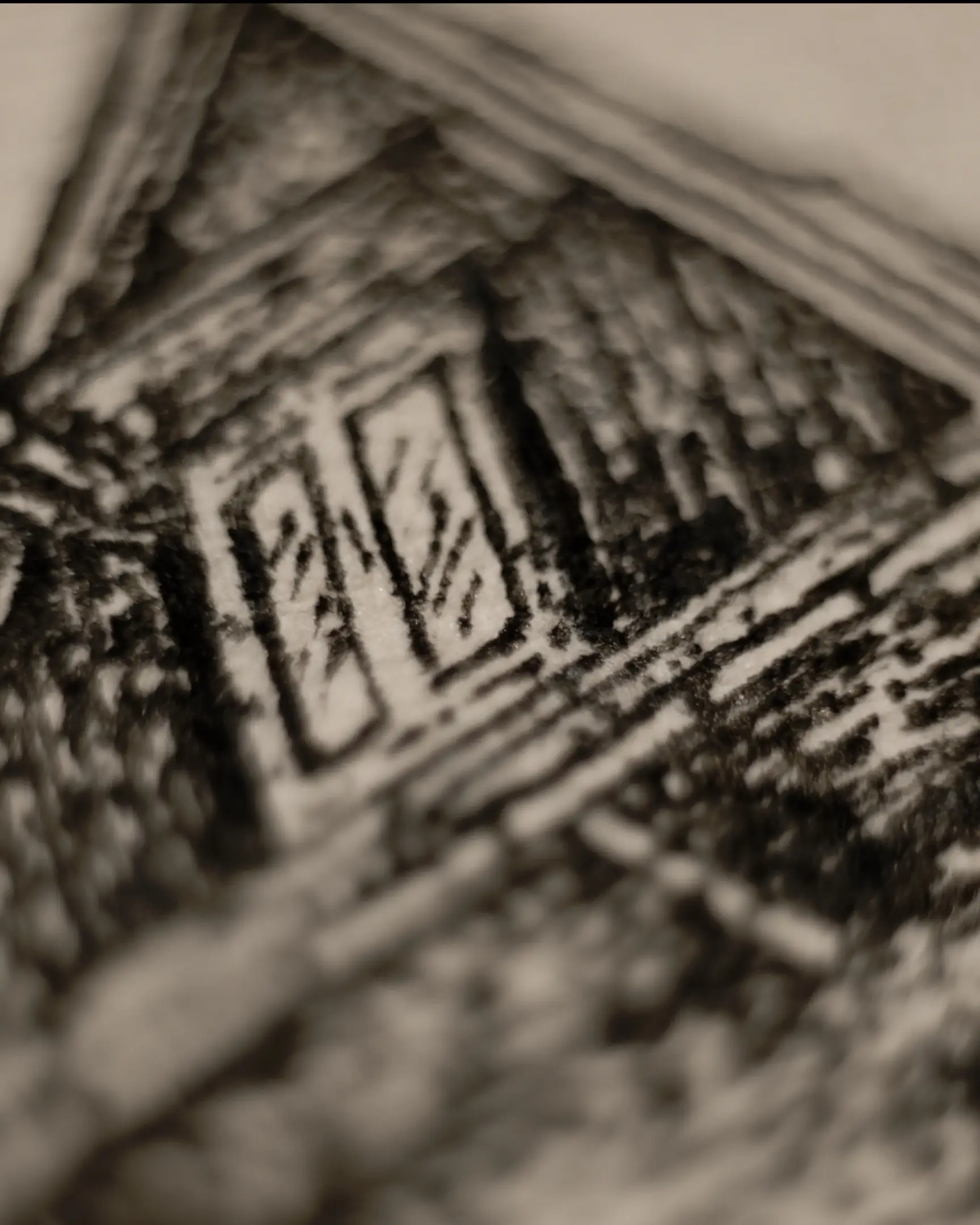
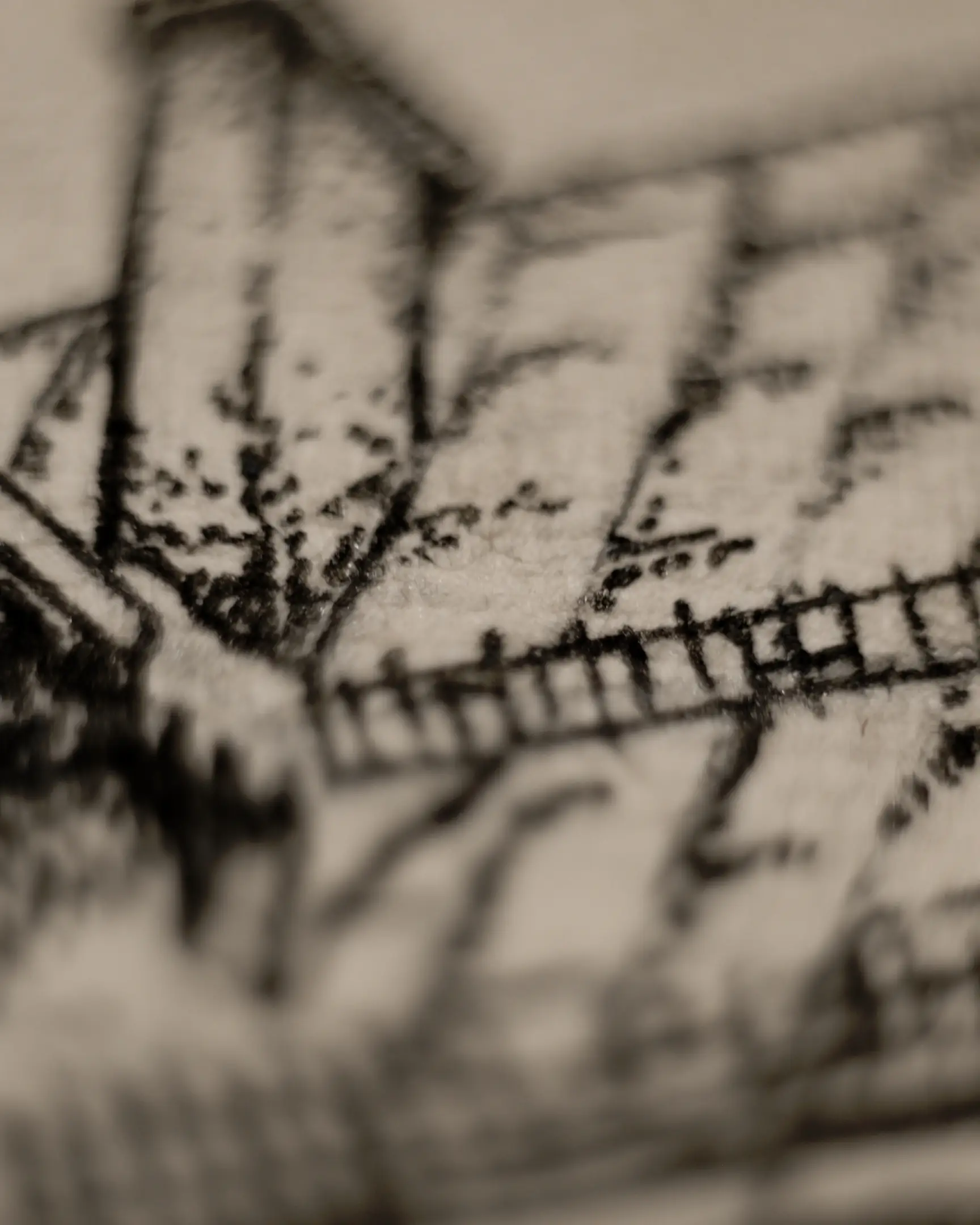
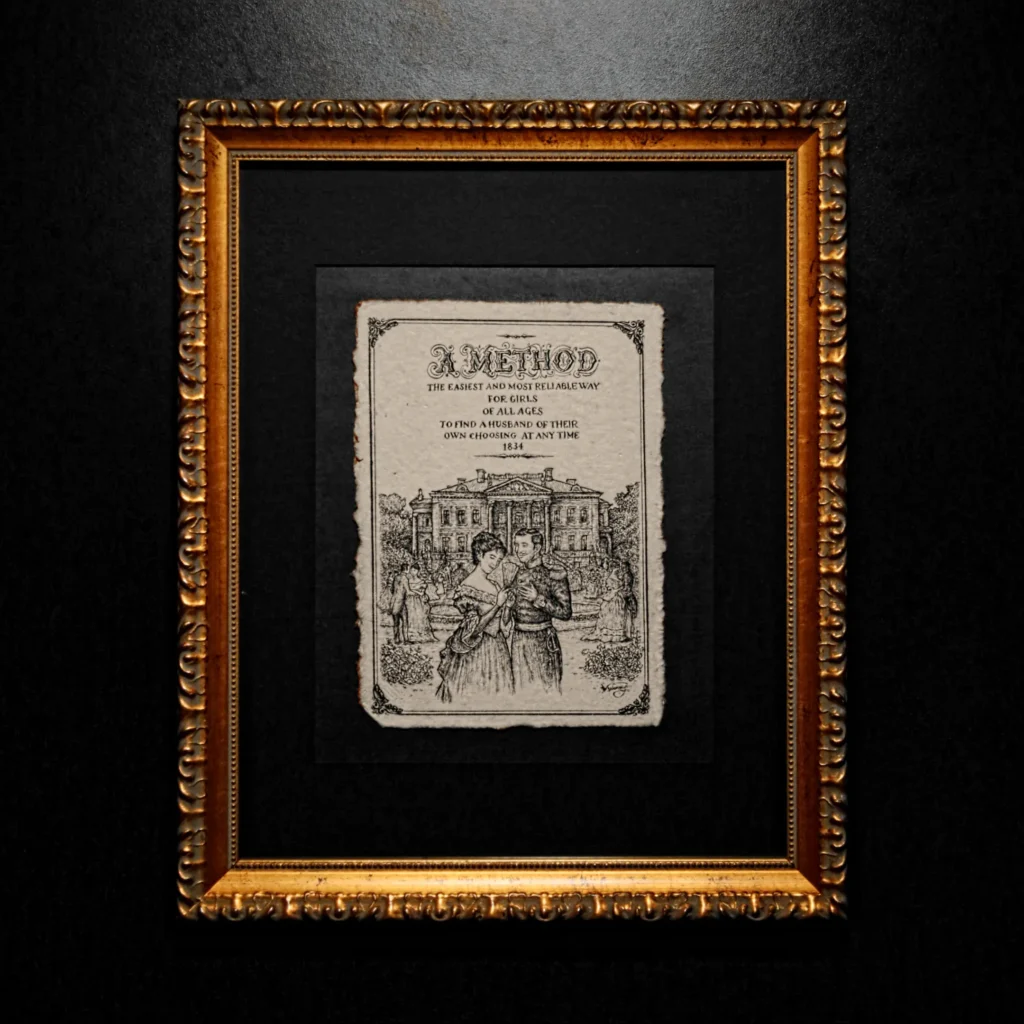
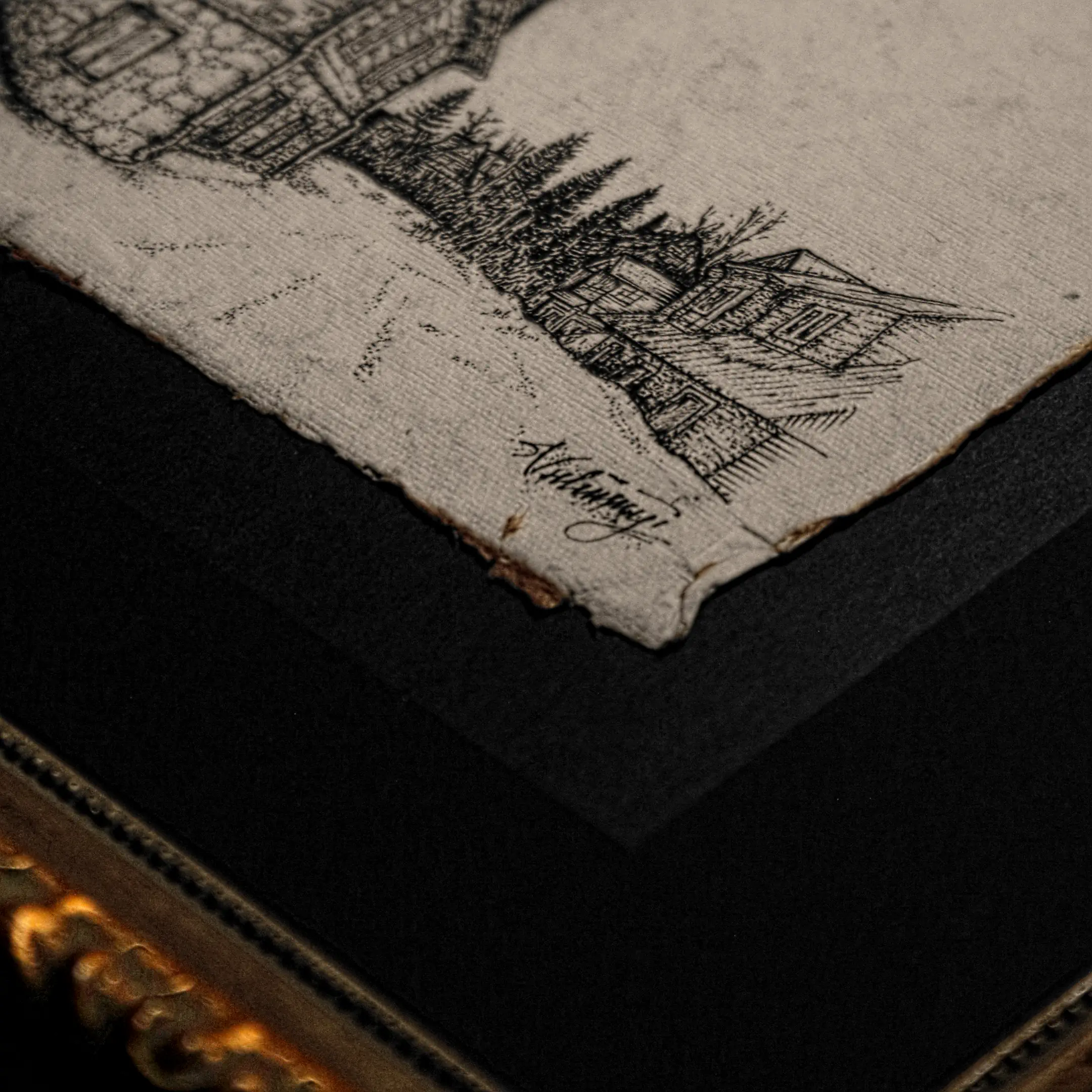
The framed artwork, 'Soliloquy,' is a highly detailed, monochrome pen-and-ink drawing on artisanal, handmade paper. The style is classic architectural rendering with precise lines and cross-hatching to define textures and shadows. The subject is a complex, multi-story traditional European wooden and stucco house with a steep, intricate roofline and multiple gables. A brick chimney pot is visible, and the Windows are meticulously detailed. Next to the house, a cluster of cypress trees adds depth to the landscape. The artwork is centered on a rough-edged piece of textured, cream-colored paper. This paper is then matted with a clean black board, providing contrast and separation. The entire piece is encased in an elaborate, heavy golden-bronze frame with traditional floral and scrollwork carvings. The presentation is rich and classical. The background is a simple, dark, textured wall, focusing attention on the frame and drawing. This artwork, titled "Soliloquy" and created by Universal, is a meticulous pen-and-ink illustration of a traditional, multi-story European house. The drawing features intricate cross-hatching and fine lines to detail the wooden textures, stone foundation, and gable roofs of the structure. It is rendered on a piece of cream-colored, heavily textured handmade paper with naturally frayed (deckled) edges. The paper is mounted on a deep black mat, which emphasizes the high-contrast, monochrome nature of the sketch. The artist’s signature is visible in the bottom right corner.Created by the artist Vselenskyi, this ink drawing titled "Soliloquy" showcases a mastery of traditional line work. The composition focuses on a grand, multi-level house where the rugged texture of the stone foundation contrasts with the aged wooden planks of the upper stories. Through dense cross-hatching and meticulous detailing, Vselenskyi creates a sense of depth and atmosphere, evoking a feeling of solitude and architectural endurance. The textured, sepia-toned background enhances the vintage, archival quality of the piece.The image is a monochromatic illustration on textured, beige-toned paper. On the left, a tall, narrow house with a tiled roof and visible stonework dominates the foreground. In the background, several smaller cottages are nestled among tall coniferous trees. The style uses heavy stippling and cross-hatching to create depth and texture, evoking the atmosphere of a quiet, old-world European settlement.This monochromatic sketch focuses on the right side of a village scene. It depicts several timber-framed or stone houses with sloped roofs and small windows, rendered using detailed cross-hatching and stippling techniques. To the left, a dense cluster of tall, thin coniferous trees provides a natural backdrop. The artwork is executed on a beige, horizontally-textured background that resembles aged parchment or fabric.This image shows the full artwork from the previous close-ups. The drawing is executed on a rectangular piece of off-white, textured handmade paper with rough, uneven edges. It features a large, detailed house on the left and a distant village line on the right. The piece is set against a black matting and housed within a classic, decorative gold-colored frame with intricate carvings. An artist's signature is visible in the bottom right corner of the paper.An artistic close-up with a shallow depth of field, focusing on the intricate textures of the gilded wooden frame. The ornate, classical patterns of the gold-leaf molding stand out against the stark black matting. In the background, the "SOLILOQUY" ink drawing on deckle-edged paper is softly blurred, creating an elegant bokeh effect that emphasizes the premium presentation of the artwork.
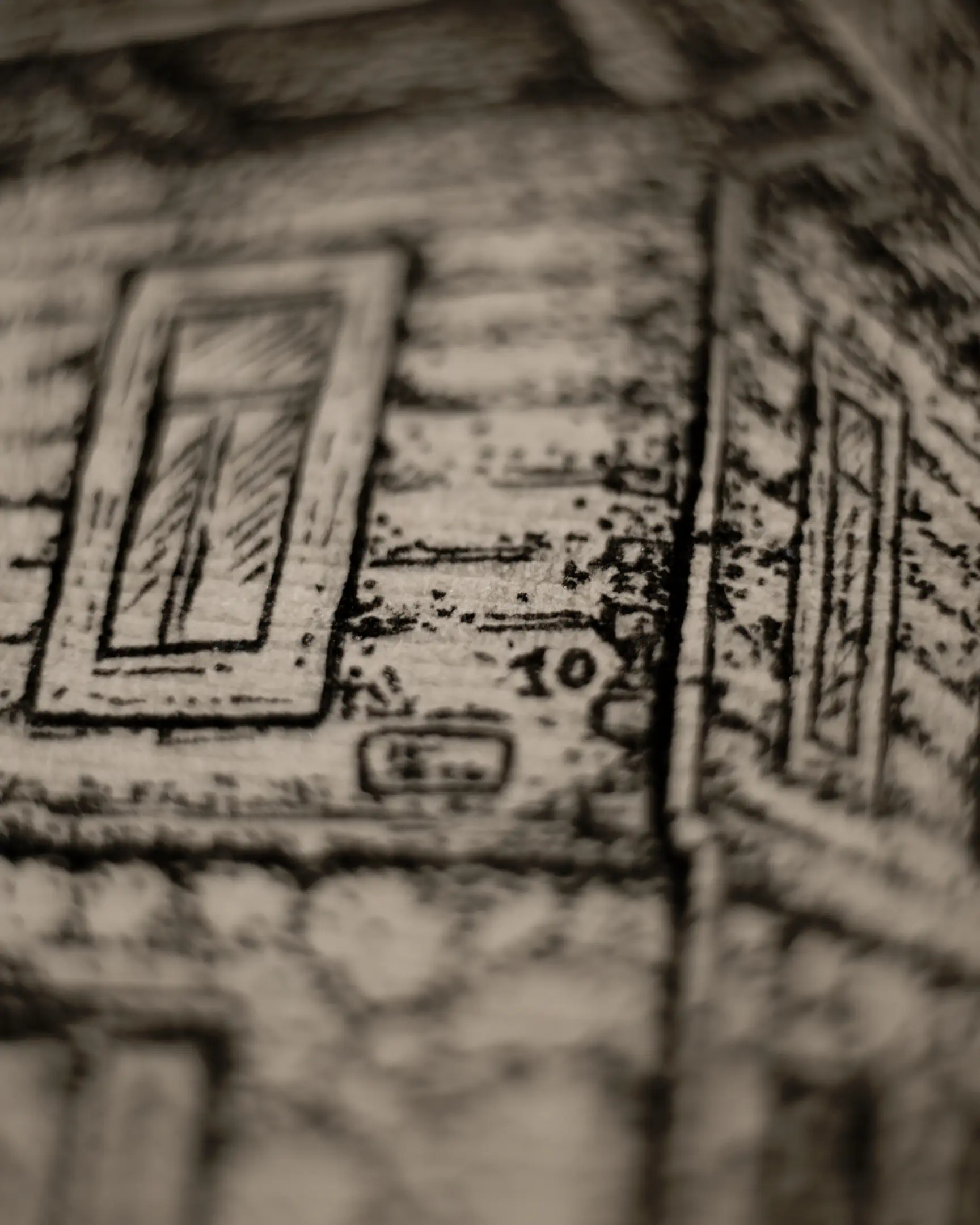
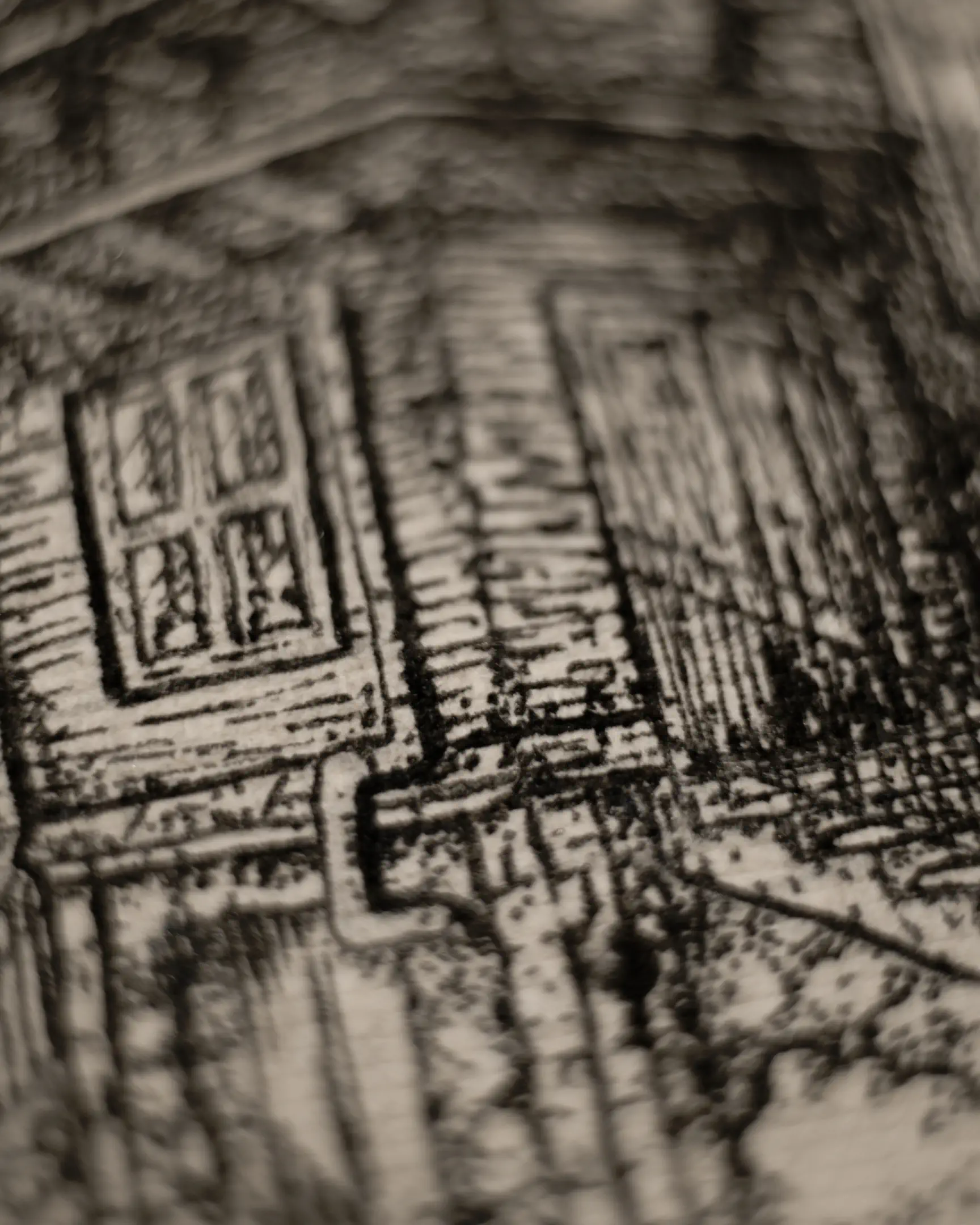
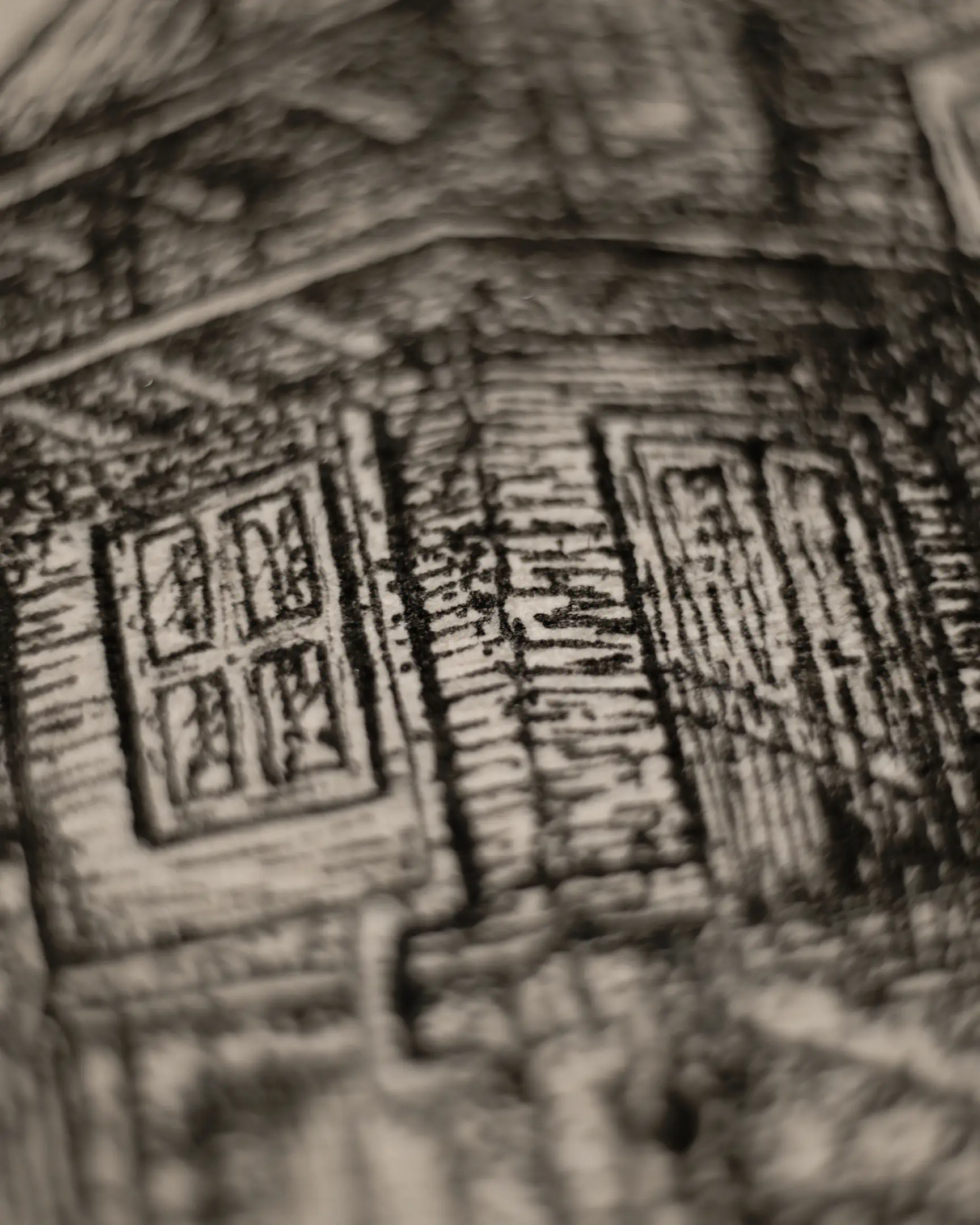
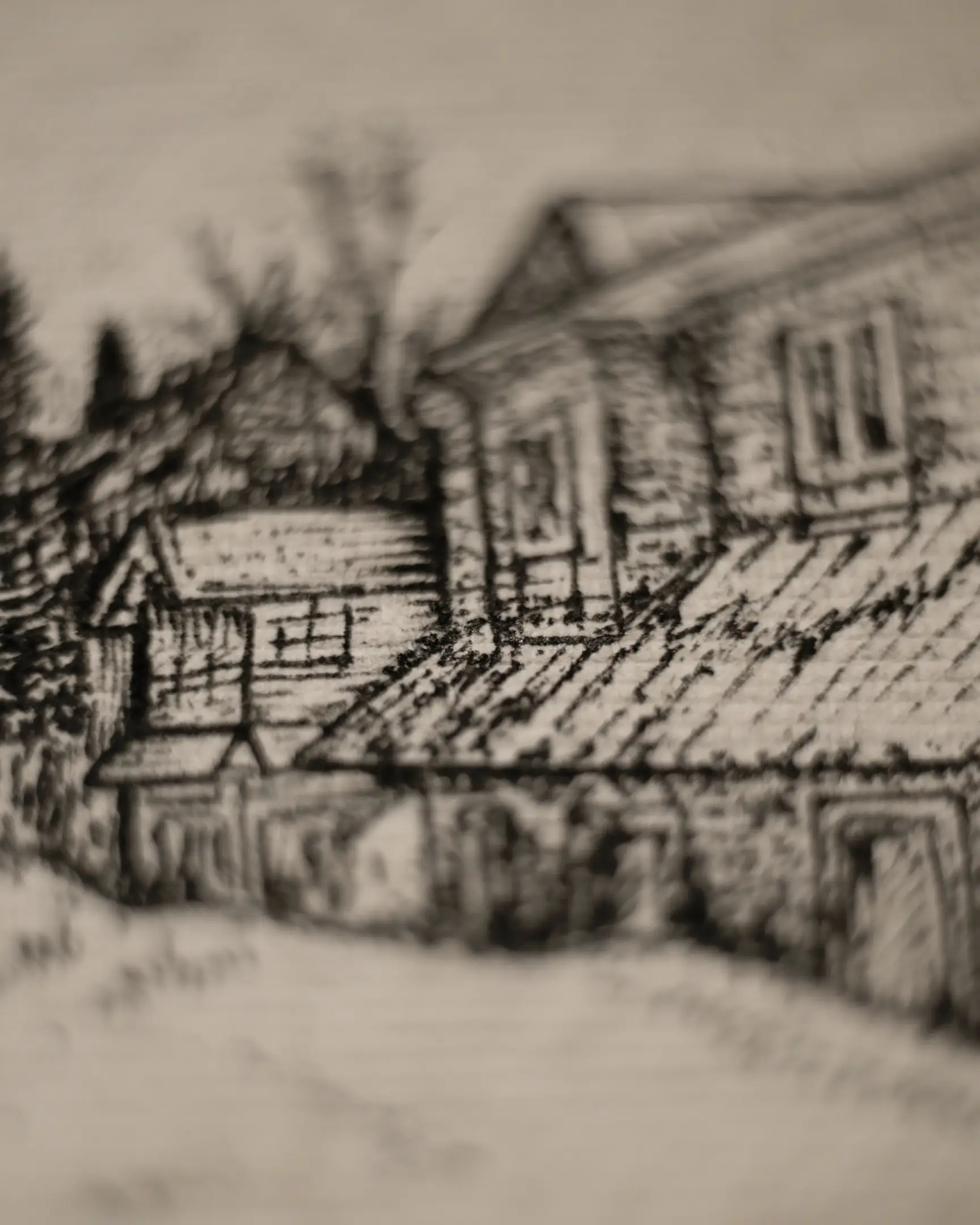
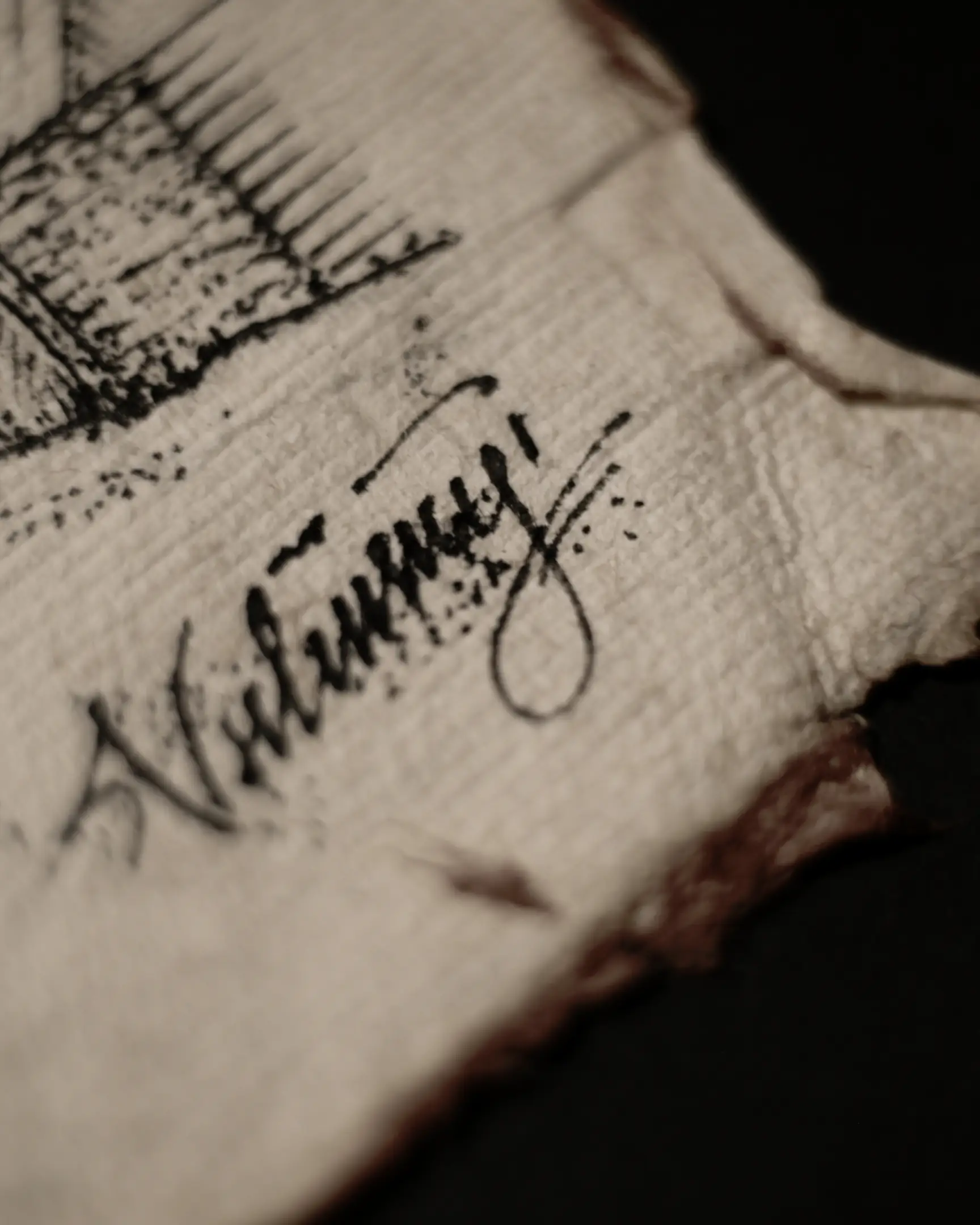
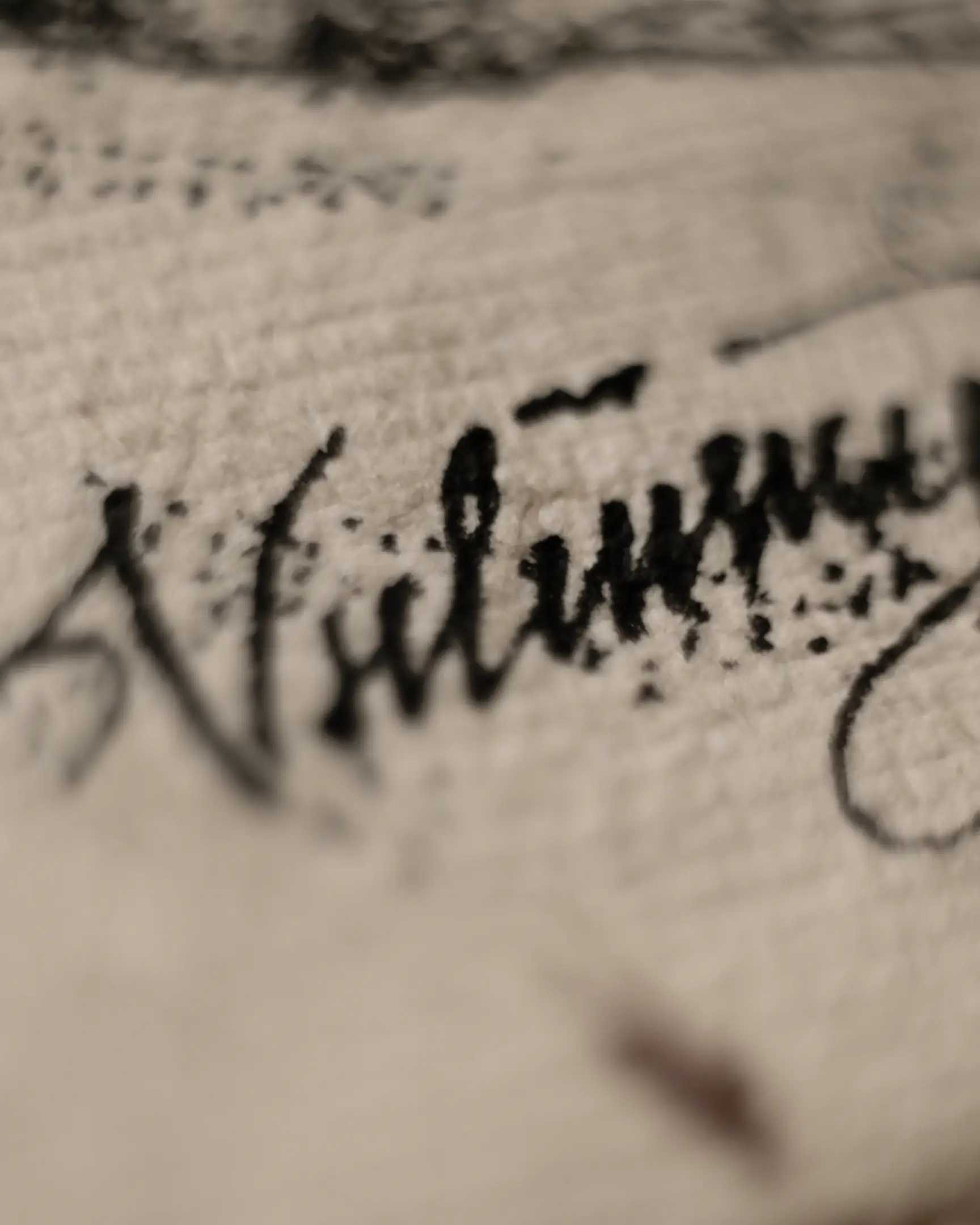
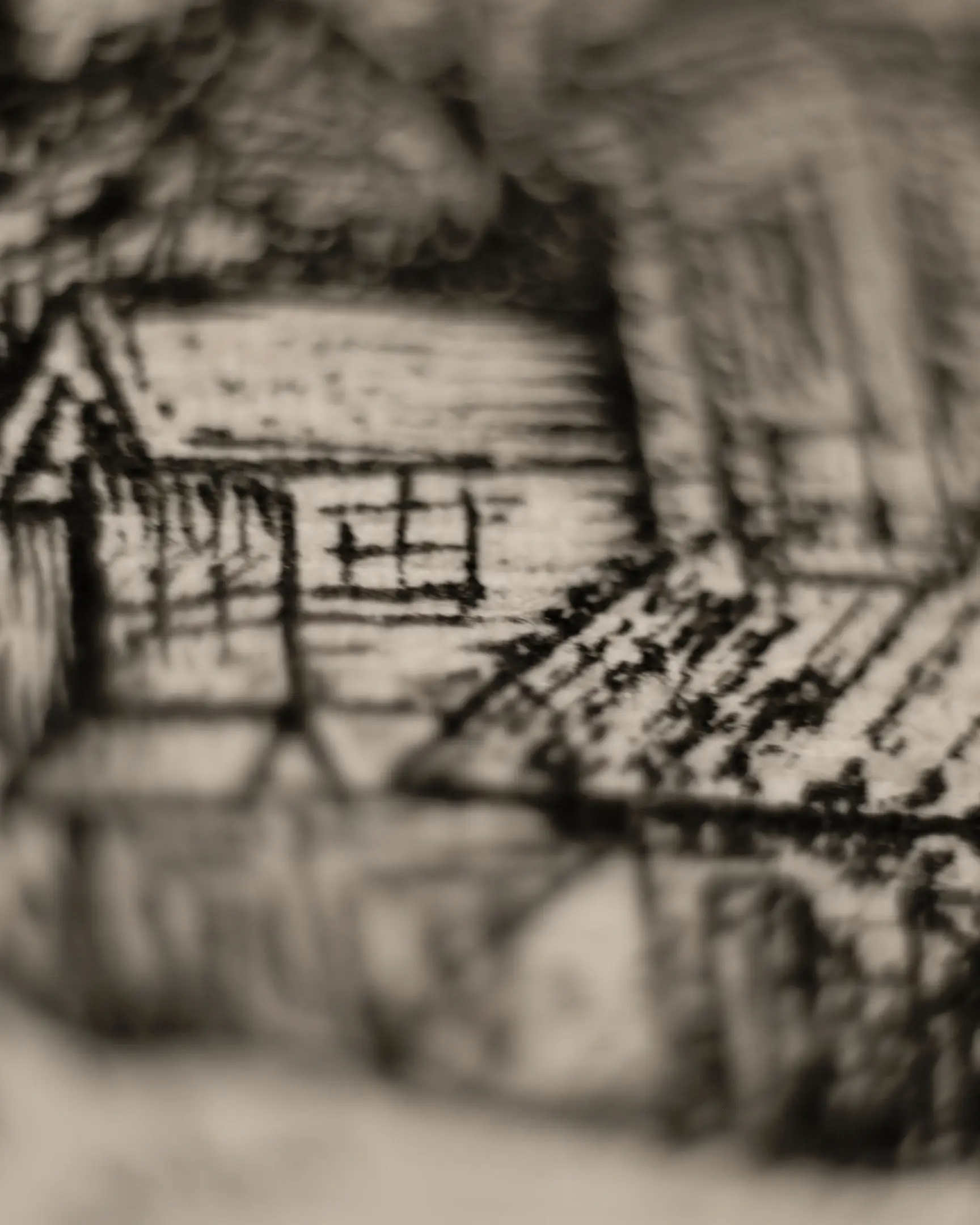
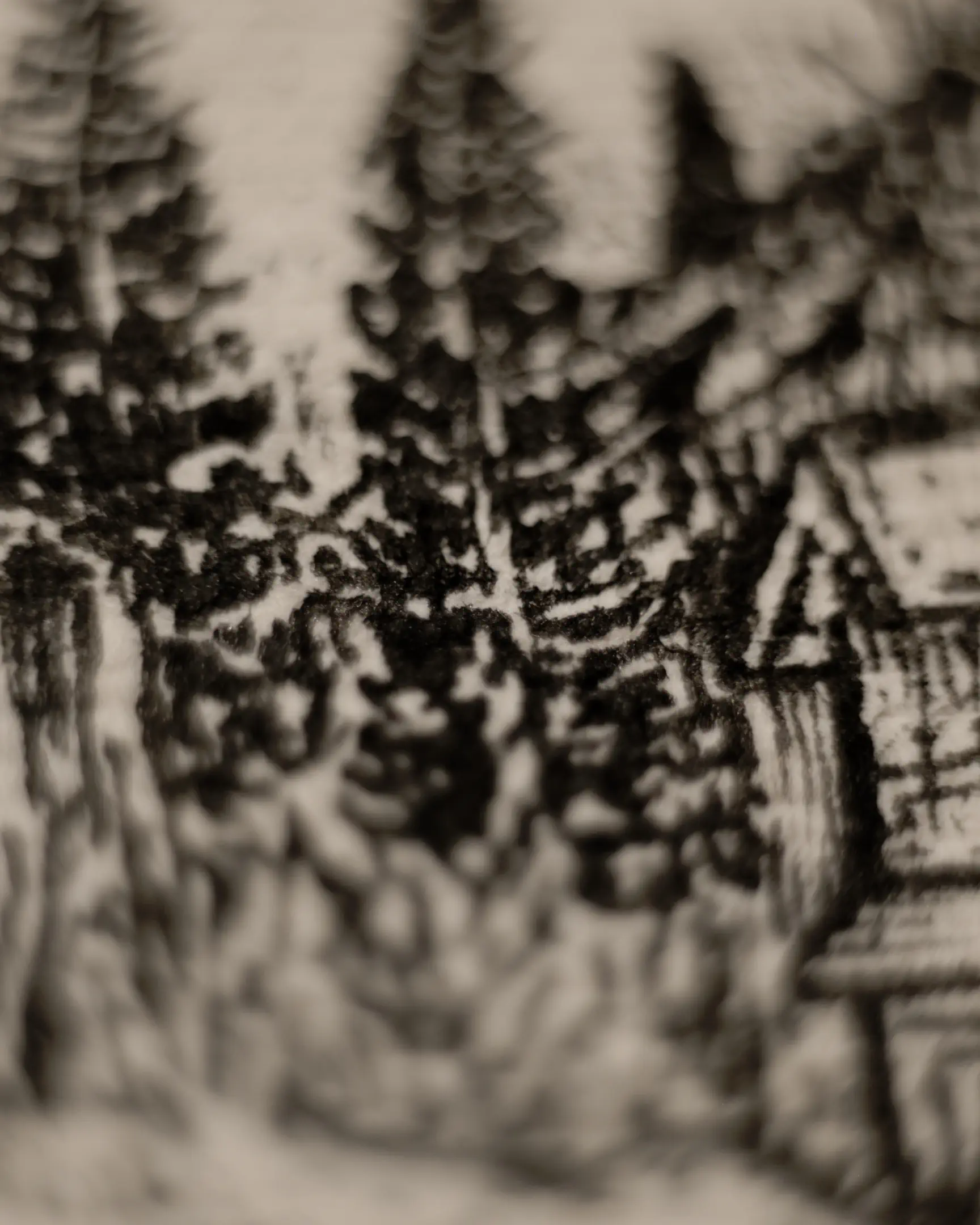
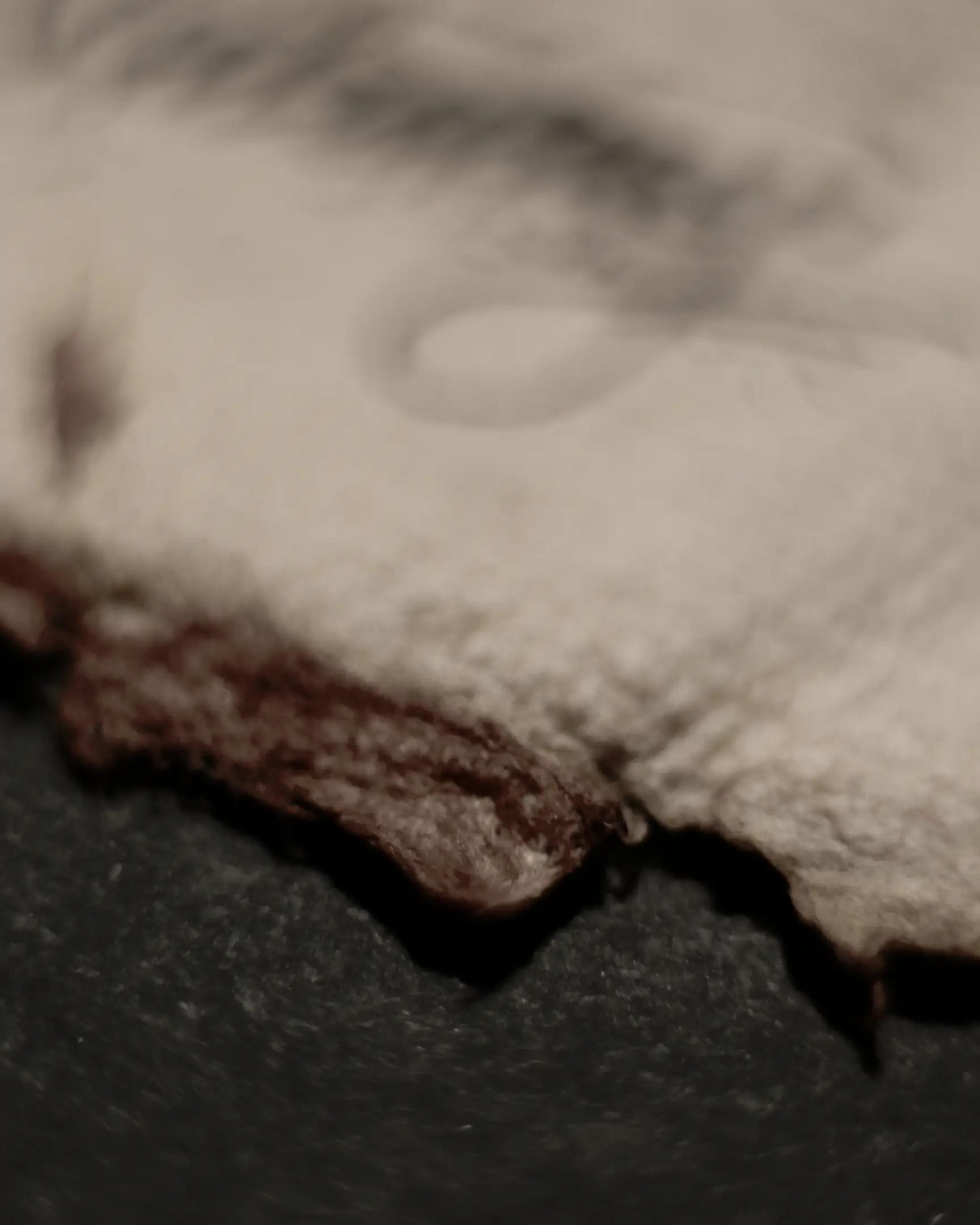
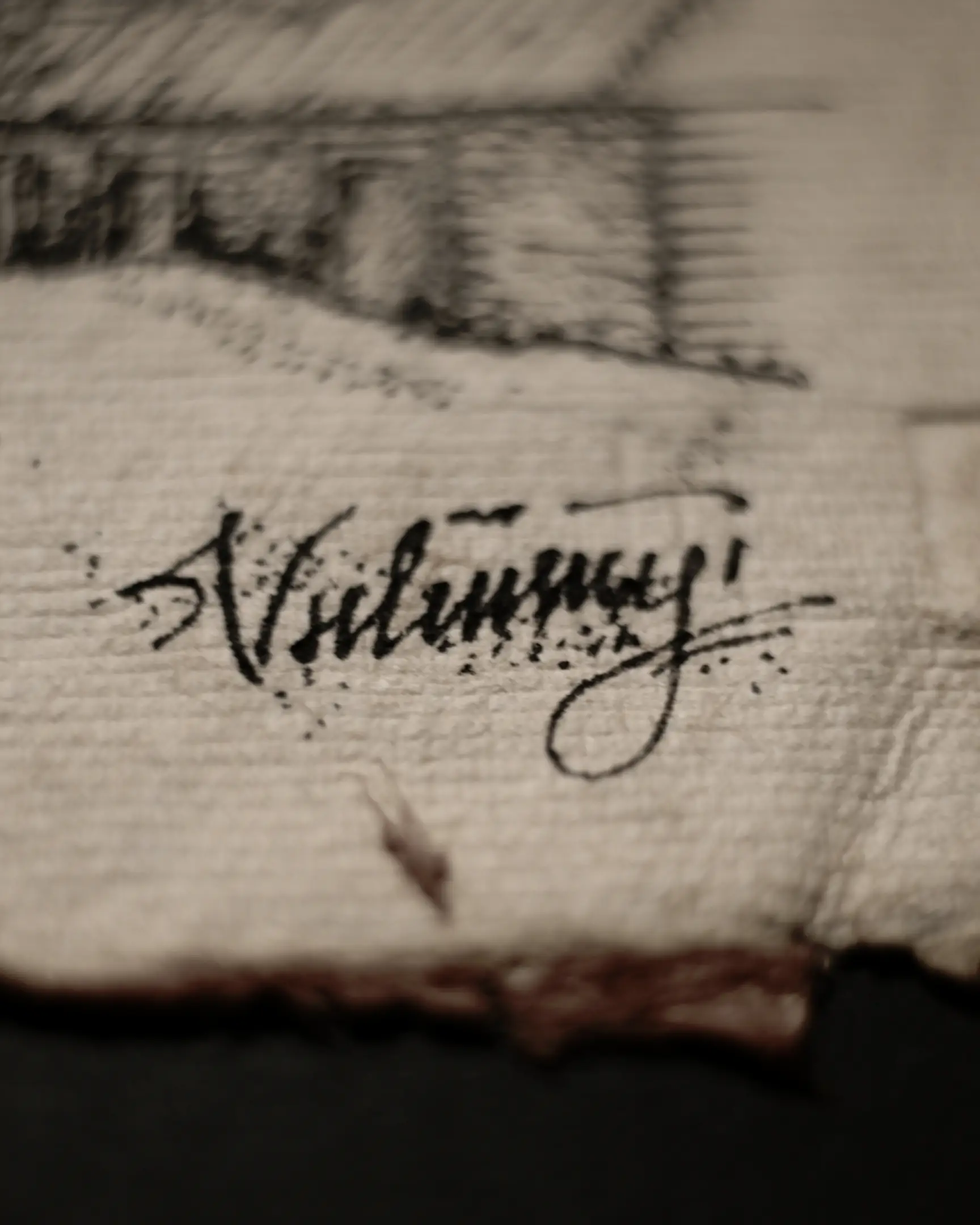
A macro photograph focusing on the lower corner of the graphic piece. The calligraphic signature of the artist is sharply captured against the fibrous texture of hand-made, deckle-edged paper. A portion of the landscape drawing, featuring trees and a building, is visible in the background. The presentation is elevated by a professional black mat board and a classic gilded frame, shown from a dynamic close-up angle.The artist’s authentic signature by Vselenskyi, which crowns every creation like a seal of provenance. Observe how the noble density of the ink settles upon the Indian craft paper, and the evocative sense of comfort created by the tiniest surface fibers, absorbing the history of every single stroke.The house number where Vselenskyi once resided. This hand-drawn ink sketch captivates the viewer with an astounding array of fine details and meticulous execution. Crafted on handmade Indian paper, its raw texture emphasizes the continuity of generations and the steadfastness of the old walls that once sheltered the artist's creative spirit.The entrance to the apartment building in Poland where the master once resided. Rural Zakopane is a land of pristine beauty in the Tatra Mountains, where majestic nature and human habitation merge into a single ensemble, reminding us of our roots and our true home.Even in the most hidden corners of the painting, life teems, rendered with a profound love for all existence. Small wings and windows, each concealing a unique destiny, seem frozen only for a fleeting moment, ready to come alive under the gaze of a sensitive observer.The landscape in Vselenskyi’s works gains substance through complex texture. The perceived casualness of the stroke, upon closer inspection, reveals a deliberate wholeness—the only way to convey the thick air and melancholy of the Polish countryside, hidden from the common eye.The second-floor window towers over the landscape like a lighthouse in a boundless sea of life. It offers the traveler hope for warm shelter and spiritual comfort. Windows here are not merely openings in a wall, but mystical portals into other lives, beckoning with their mystery and light.Doors, serving as the main portal to the abode, hold the memory of countless moments of existence: chance encounters, bitter partings, and tender kisses. This porch is a silent witness to history, preserving within its cracks the warmth of human hands and voices.Vselenskyi bestows sacred attention upon the texture of objects, emphasizing it through the union of ink and embossed paper. It is this alchemical combination that perfectly conveys the materiality and beautiful imperfection of our world, so far removed from sterile digital smoothness.The signature on the paintings is the final chord, through which the echo of the artist's mood reaches us. Whether a peaceful prayer or a rebellious surge of spirit, the stroke of the pen is as integral to the artistic fabric as the smallest detail of the drawing.
The artist’s authentic signature by Vselenskyi, which crowns every creation like a seal of provenance. Observe how the noble density of the ink settles upon the Indian craft paper, and the evocative sense of comfort created by the tiniest surface fibers, absorbing the history of every single stroke.Vselenskyi’s signature in the corner of the canvas places the final authorial imprint upon this artistic statement. Seeing this flourish of the pen, you feel that before you lies not a fruit of vanity, but a sincere fragment of the master's soul, offered as a gift to the connoisseur of true art. In Vselenskyi’s painting of the house in Zakopane, the atmosphere of awakening spring is captured with striking precision. We see the heavy snow already melting on the ancient roof, signaling the imminent arrival of summer, the blooming of nature, and the inevitable triumph of life over winter's slumber.Treetops reaching toward the horizon seem frozen in ink, which spreads like delicate capillaries across the rugged texture of the paper. There are no accidental lines here; every minute stroke and dot holds sacred significance for the harmony of the entire composition, uniting heaven and earth.The beauty of Vselenskyi’s work lies in its noble imperfection. It is this living breath that conveys the spirit of real life, with all its irregularities and honest wear. These are not soulless machine prints, but the fruit of profound searching, where every painting is a lived experience, complete with its struggles and quiet victories.The smallest details do not escape the artist's gaze, for truth resides within them. It feels as though a silhouette of someone who has lived here for an eternity might appear in the dark window frame at any moment. Every window in the sketch is like a sealed envelope, hiding its own unique family drama or quiet joy. In Vselenskyi’s painting of the house in Zakopane, the atmosphere of awakening spring is captured with striking precision. We see the heavy snow already melting on the ancient roof, signaling the imminent arrival of summer, the blooming of nature, and the inevitable triumph of life over winter's slumber.

Related products